









































































Your cart
There are no more items in your cart


Three styles, three stories: when a pair of glasses ceases to be a mere detail and becomes part of a character.
Some pairs of glasses leap off the screen and stay with you. Harry Potter’s black round frames, the bold front of the Blues Brothers’ glasses, the metallic teardrop shape of the Aviator: different silhouettes, united by their ability to reveal a character’s personality even before the dialogue begins.
This Isolani HUB is not intended to be an endless catalogue. It is a selective editorial index, organised around the most comprehensive in-depth features and images that are genuinely useful for recognising a shape, understanding its history and visualising it on a real face.
Stories to get you started
Cinema · round shape
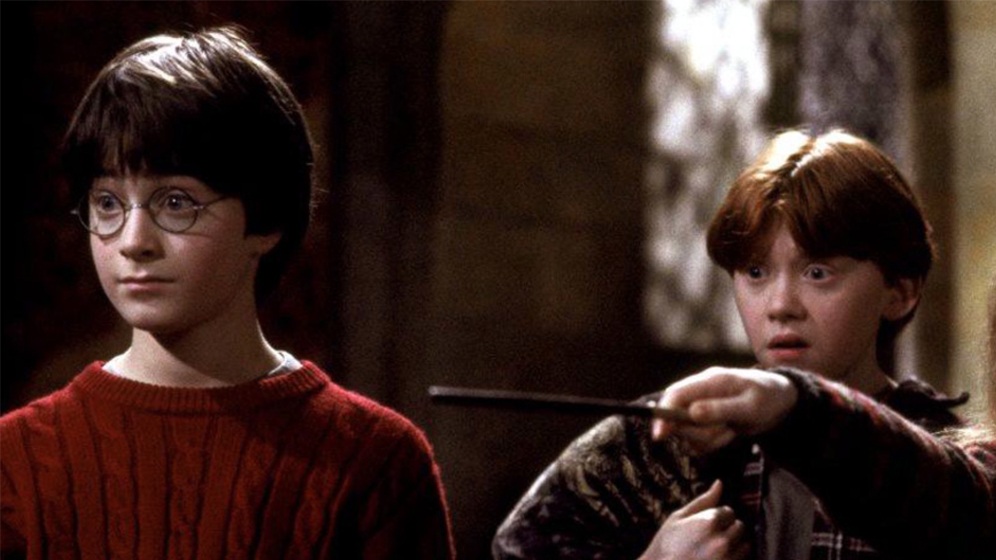
Harry Potter: two circles that have become a symbol
The round spectacles have been with Harry ever since his first encounter with the wonders of Hogwarts, eventually becoming a instantly recognisable visual trademark around the world. A story of cinema, proportions and identity, brought back into the spotlight with the 25th anniversary of The Philosopher’s Stone.
Image: Harry Potter and the Philosopher’s Stone, © Warner Bros. Entertainment; taken from the Warner Bros. Italia official page.

Cinema and music · Wayfarer
The Blues Brothers: black, rhythm and geometry
In the film, the Wayfarer is not merely an accessory: it completes an ensemble consisting of a hat, a black suit and music. Its square-shaped frame stands the test of time because it retains its character even as sizes, colours and styles change.
Official poster for The Blues Brothers (1980), © Universal Studios. Editorial use for the purposes of identifying and commenting on the work.

Cinema · The Aviator
Aviator: the shape that evokes flight and freedom
The metal teardrop shape stems from function and has become a stylistic signature. Cinema has linked it to the world of racing drivers, but its appeal endures in contemporary interpretations – whether understated, urban or vibrant.
Photo: Angela George, via Wikimedia Commons – CC BY-SA 3.0.
Why do these forms continue to work?
An icon never stays exactly the same: its size, thickness, material and colour may change, but it retains a recognisable signature. The round shape gives the face a more graphic look and, for moderate to high short-sightedness, can also help to minimise the lens diameter, peripheral thickness and aberrations. The Wayfarer creates a clean line across the upper part of the face. The Aviator lightens the front with metal and frames the eyes with a wide lens.
These guidelines are intended to help you find your way around; they are not a substitute for a fitting. The same frame may look perfect or slightly unbalanced depending on the bridge, width, height, temple tips and the design of any prescription lenses.
From the imagination to the real face
Cinema provides the inspiration; the choice begins when the frame meets the face. In theIsolani Experience Style, comfort and visual habits are all taken into account. If the glasses are prescription, the behavioural alignment It enables lenses to be designed by observing how a person actually uses their gaze, posture and distances.
It’s not about copying the model you see on screen, but about capturing that same energy in a frame that suits the person who will wear it every day.
Frequently Asked Questions
Which articles are featured on this HUB today?
The HUB has selected three in-depth articles from *Isolani* focusing on Harry Potter’s round glasses, the Blues Brothers’ Wayfarers and the Aviator style. The selection will only be expanded to include full-length articles that meet the same editorial standards.
Are the models on offer exact replicas of the glasses from the films?
No. The articles distinguish between cinematic imagery and products that have actually been identified, or the alternatives available. We do not attribute a model to a character when there is no reliable source.
What is the difference between round, Wayfarer and Aviator frames?
The round frame creates a soft, graphic look; the Wayfarer has a sharper, more structured front; the Aviator features thin metal and teardrop-shaped lenses. However, the fit and overall look depend on the specific proportions of the frame and the face.
How do you choose an iconic shape to scale?
In addition to style, the following factors must be taken into account: frame size, bridge width, height, temple tips, stability and compatibility with the prescription and lens design. The final centring must be based on the frame as it is actually worn.
The information on this page is provided for information purposes only and relates to the optical and commercial sectors. It does not contain any medical, clinical or diagnostic content.