










































































Your cart
There are no more items in your cart


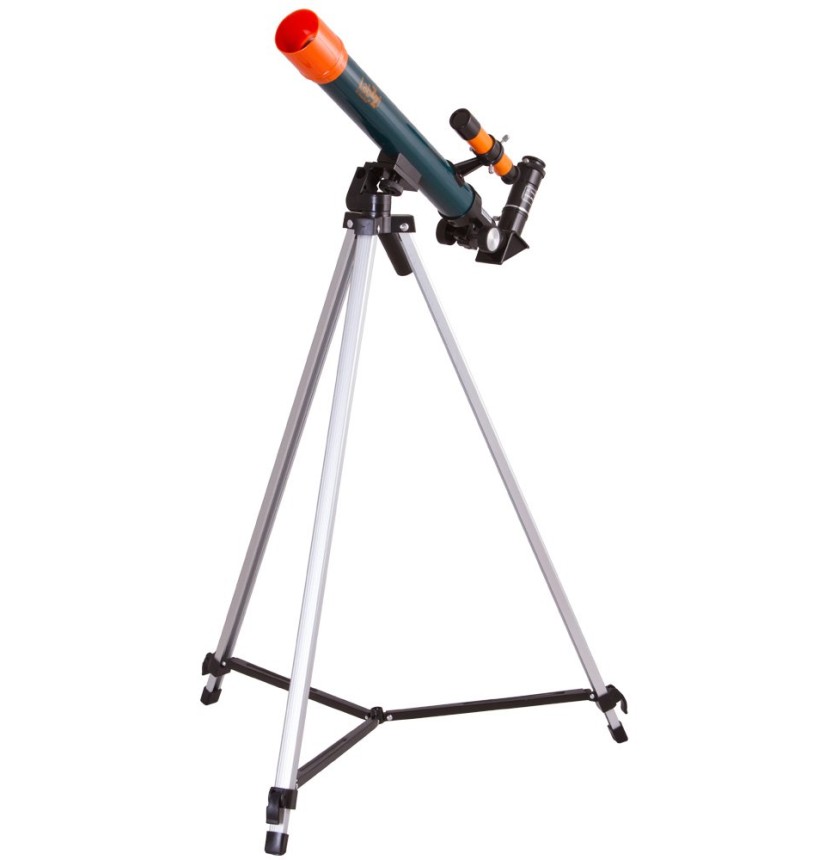
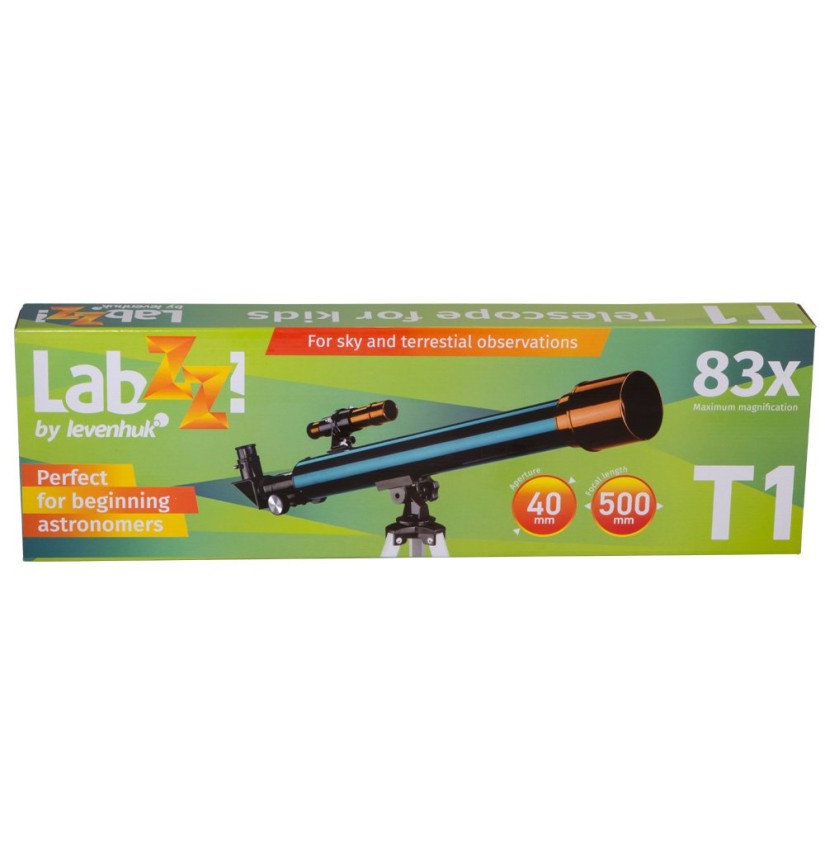
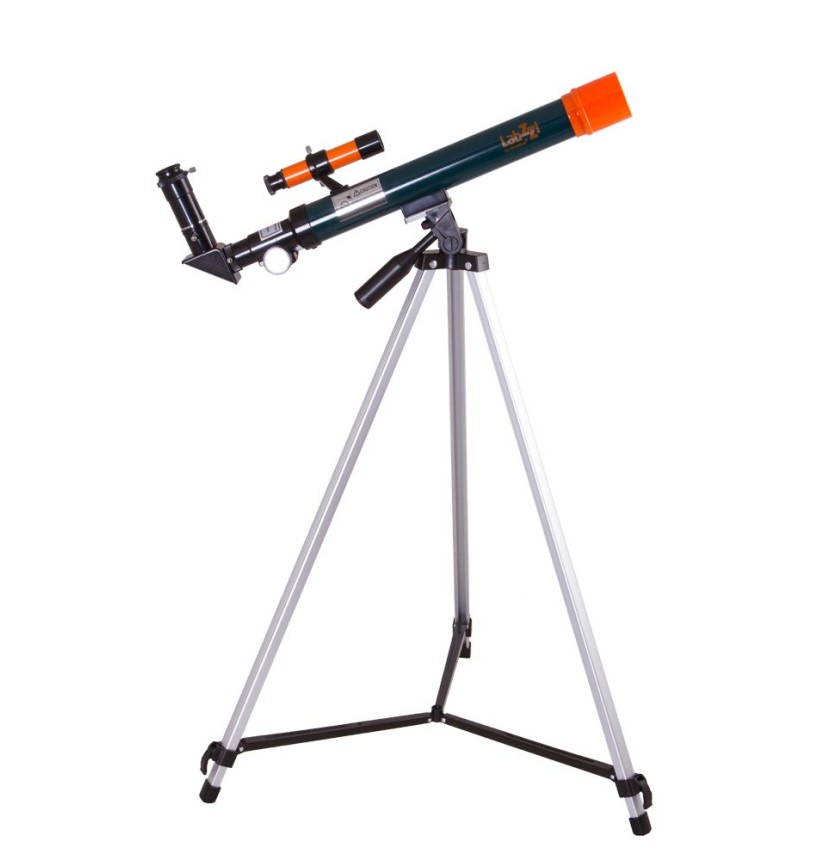
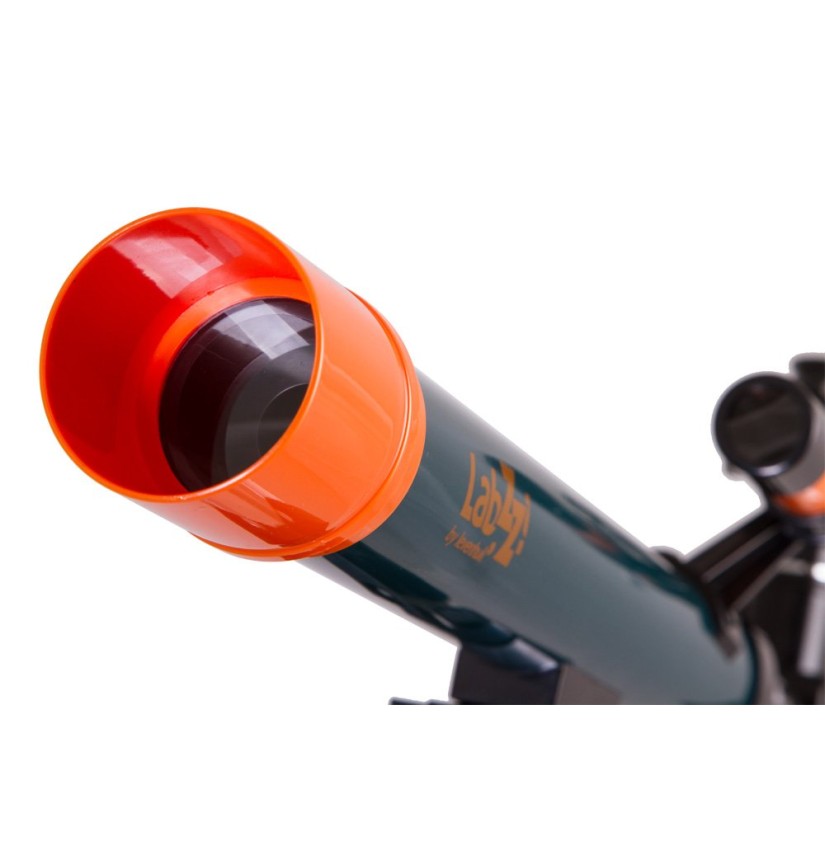
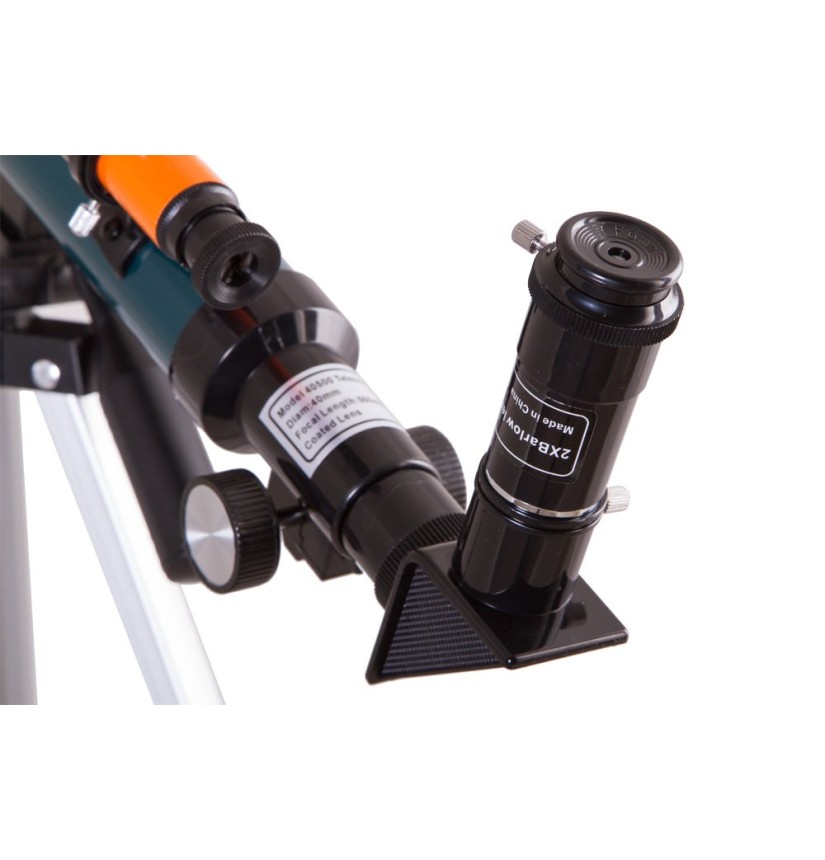
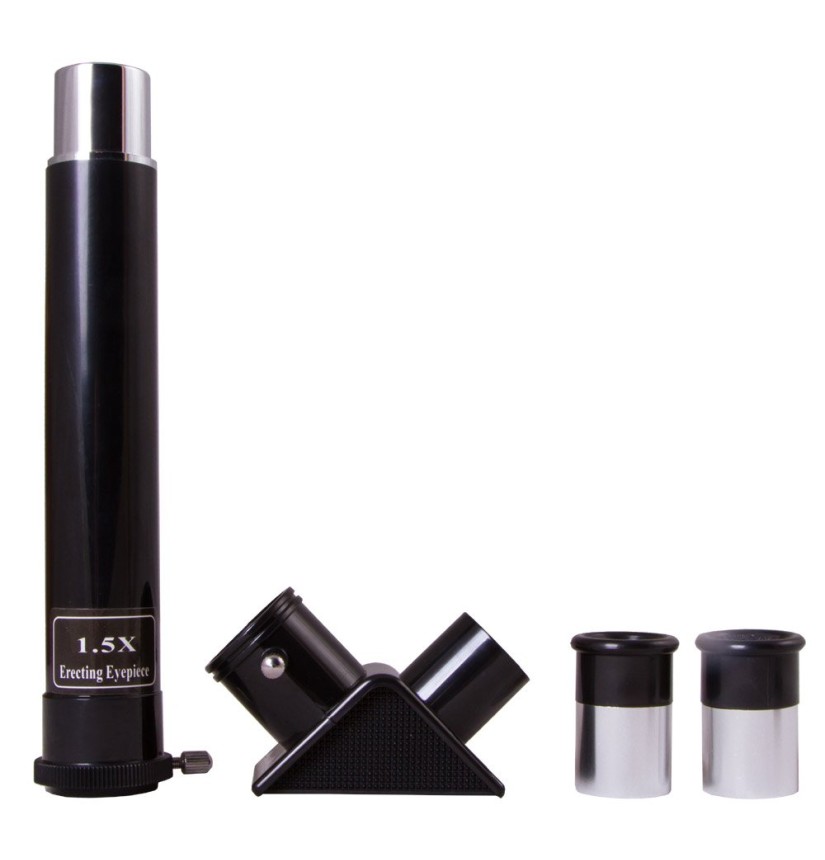
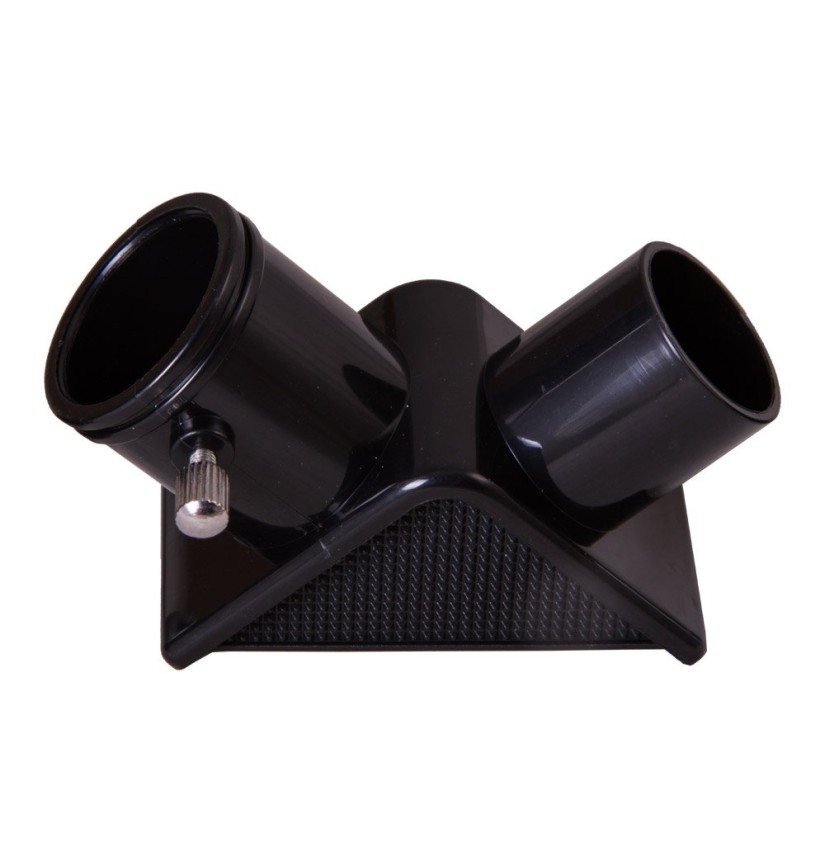
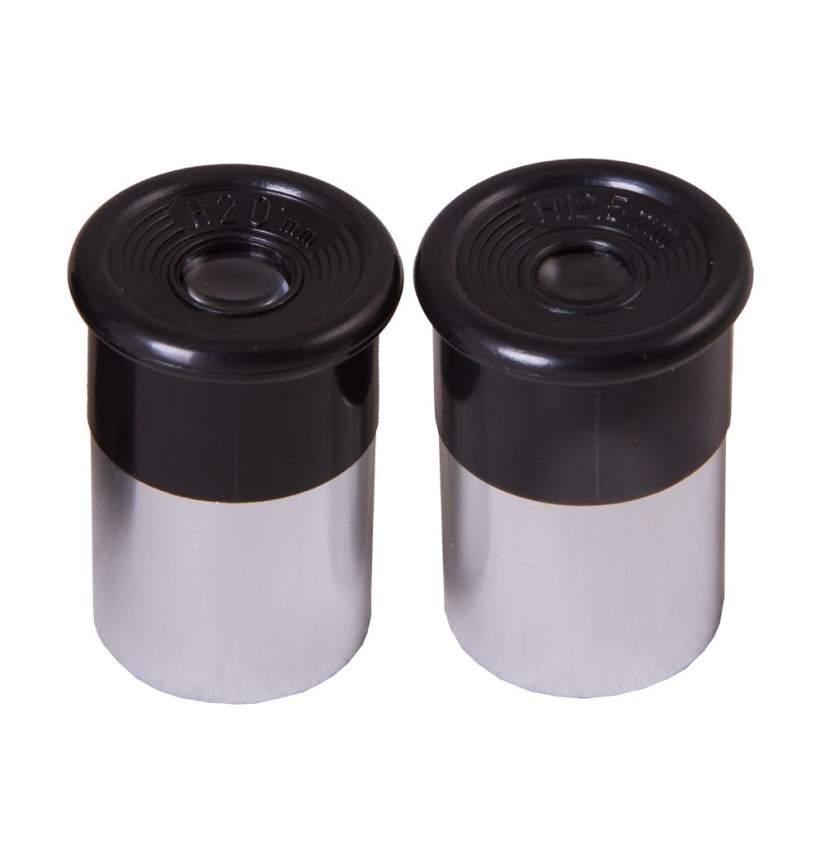
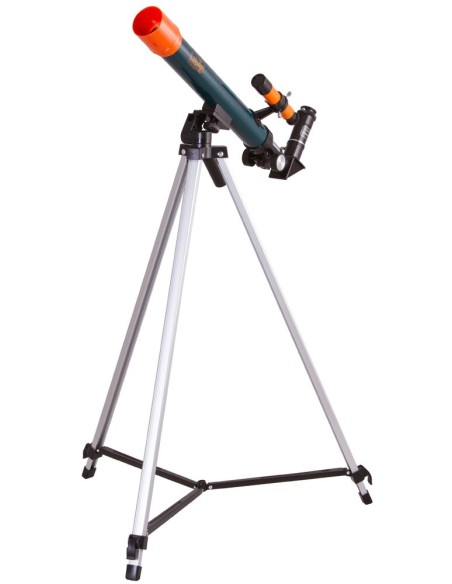
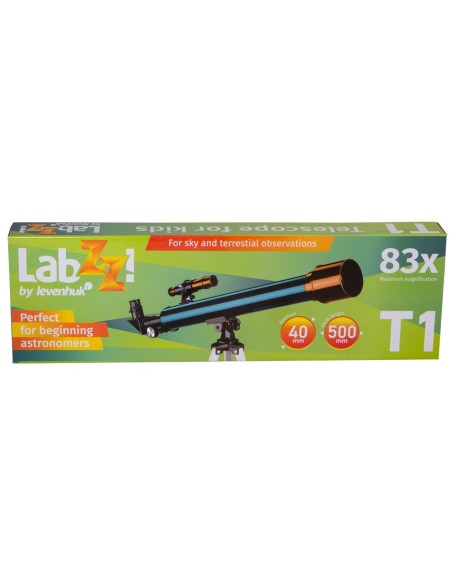
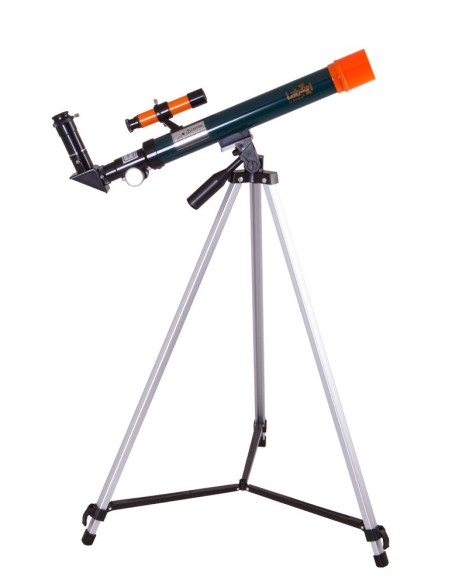
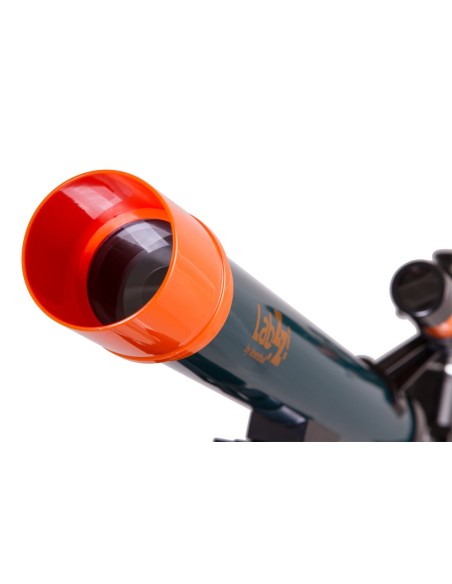
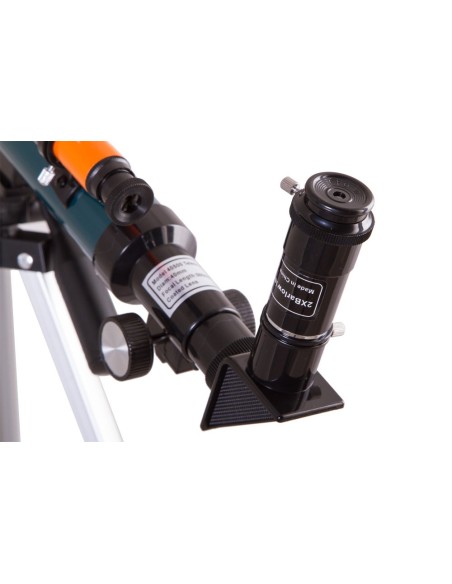
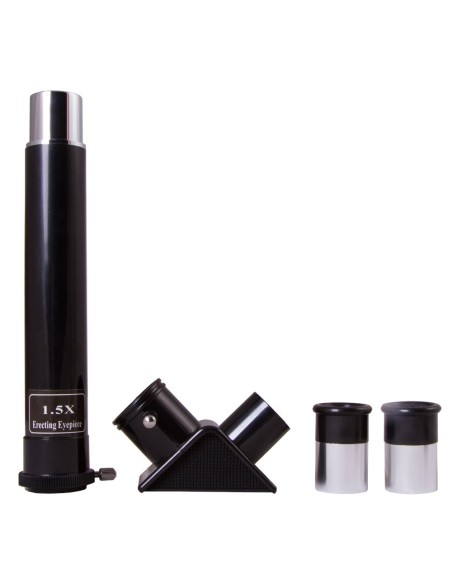
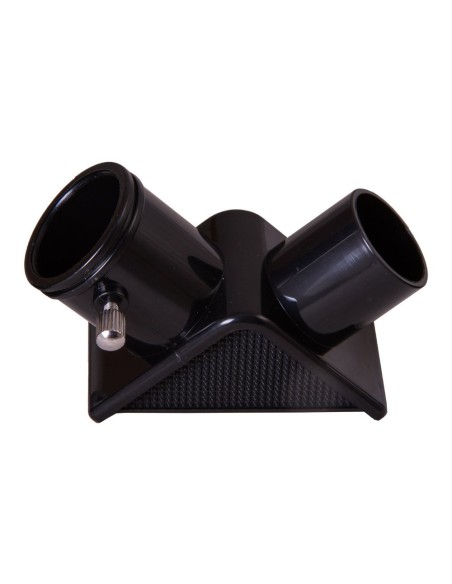


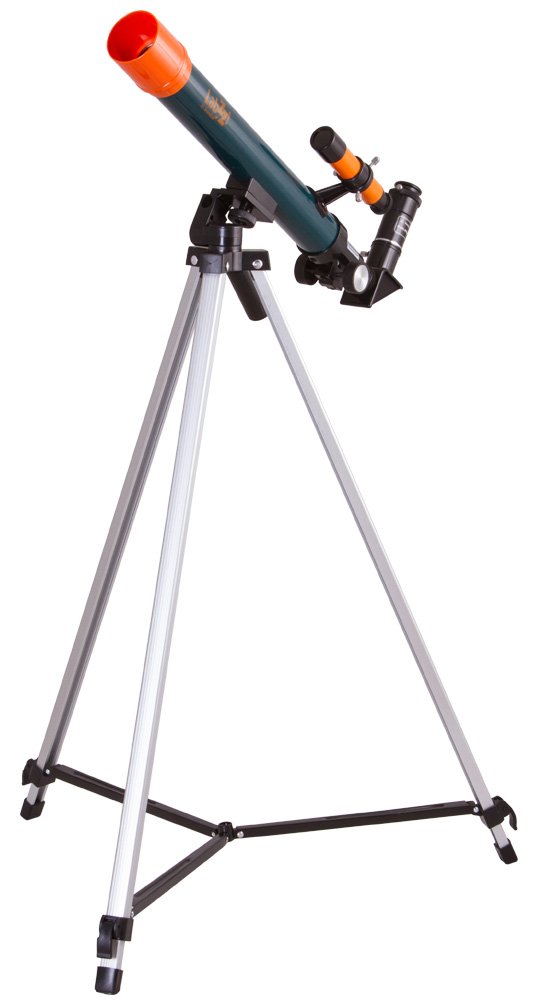
The Levenhuk LabZZ T1 telescope offers very young astronomers the chance to uncover the mysteries of the cosmos. The telescope is extremely easy to use, so children can observe the starry sky even on their own. With the Levenhuk LabZZ T1, a young scientist can observe the planets of the Solar System and numerous fine details on the Moon’s surface. If required, the telescope can easily be converted into a terrestrial telescope: the kit includes a mirrored diagonal prism that erects the image, adapting the system for terrestrial observation.
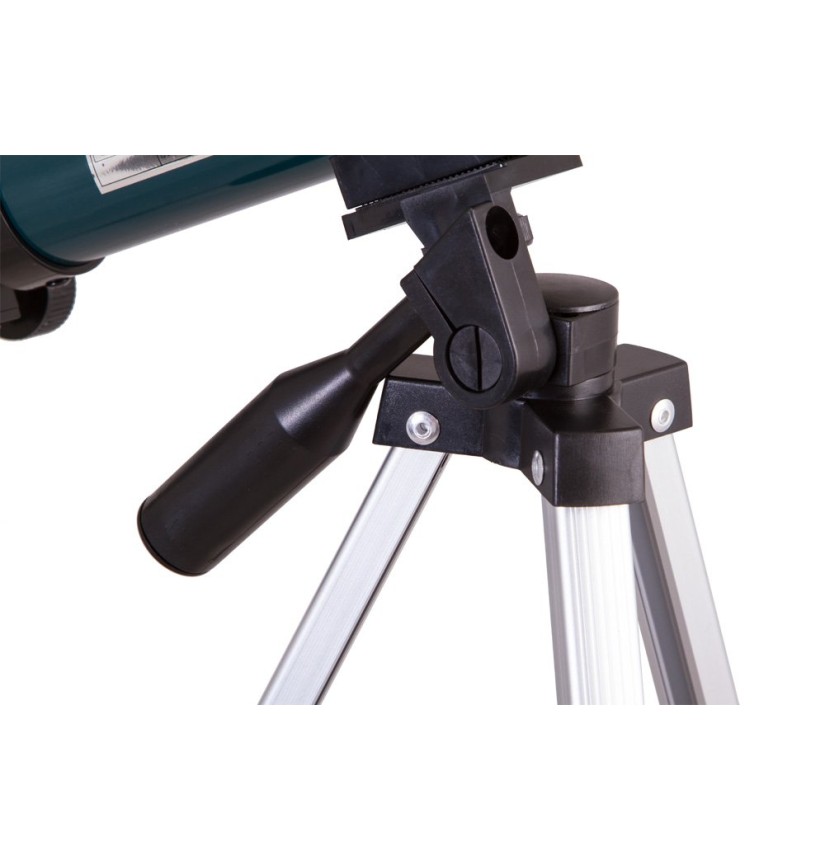
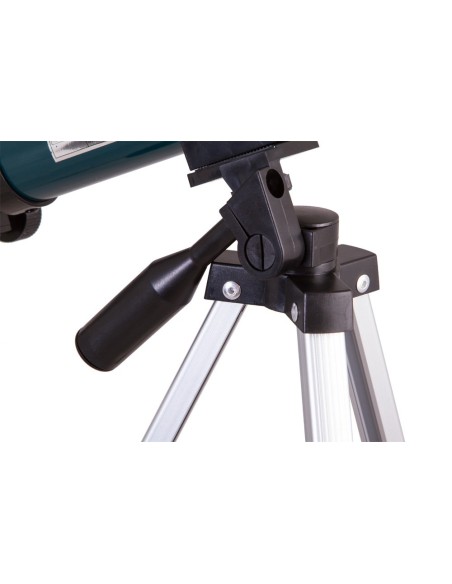
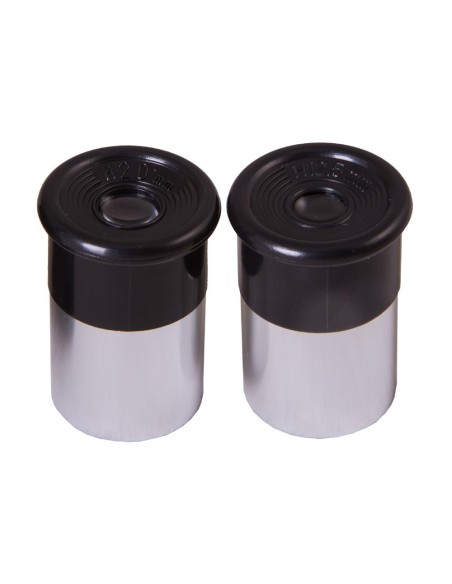
The Levenhuk LabZZ T1 telescope is a refractor with a magnification of up to 40x. It comes with three eyepieces, allowing you to select the optimal magnification for observing different astronomical objects. The telescope’s mount is easy to handle, as it is a classic altazimuth mount. A child will quickly learn how to use it and will be able to find the desired objects in the sky in no time.
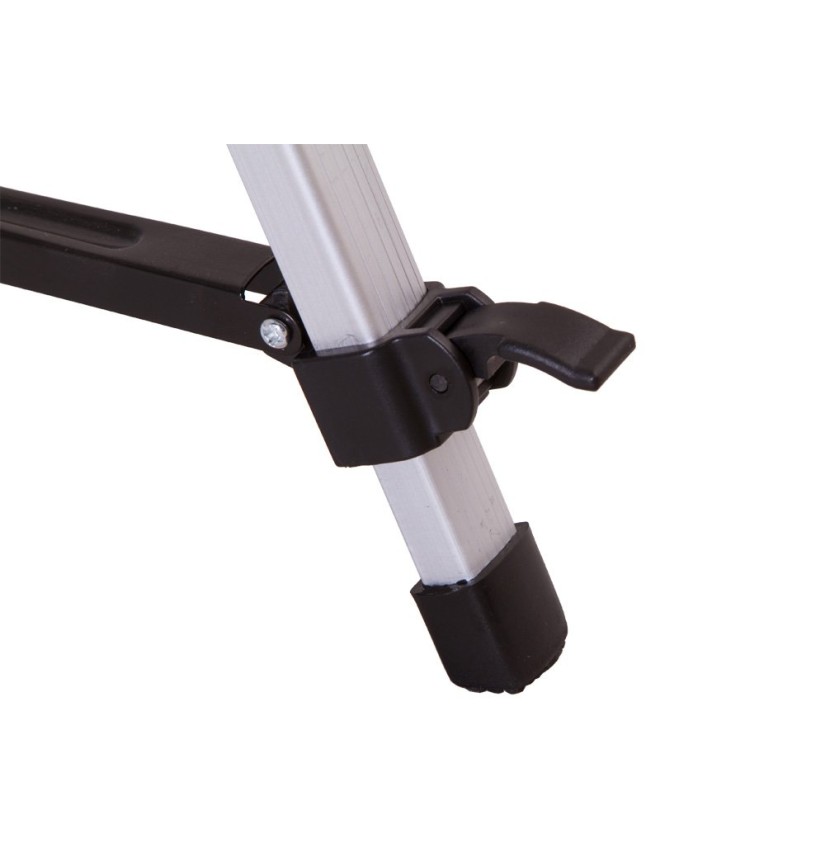
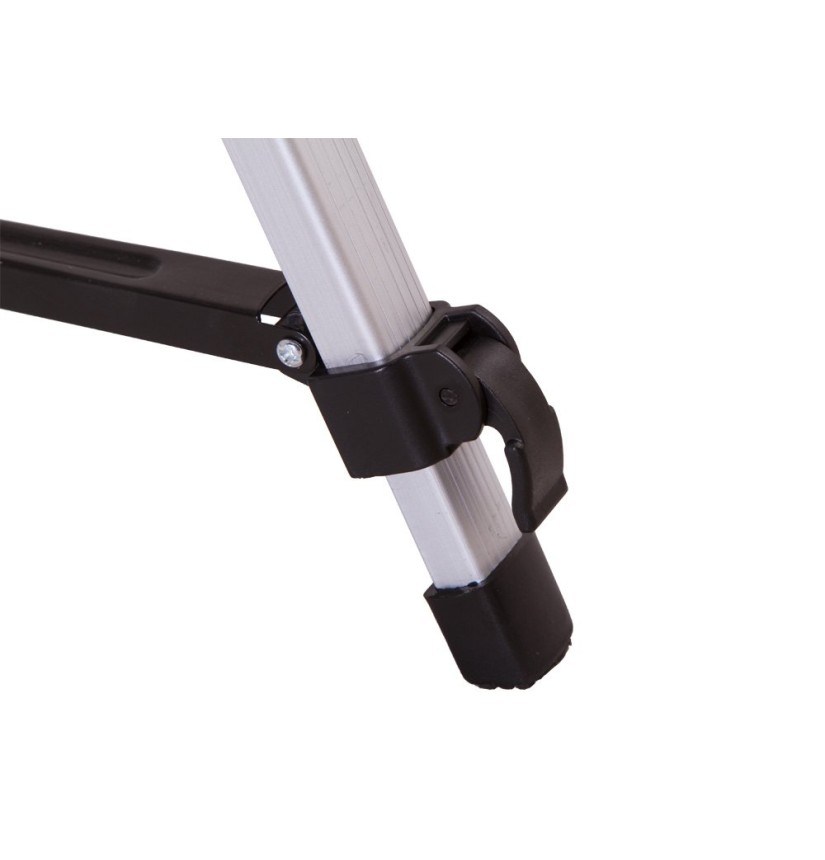
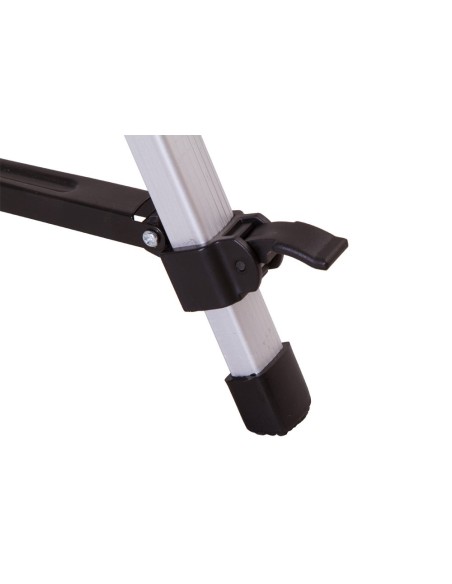
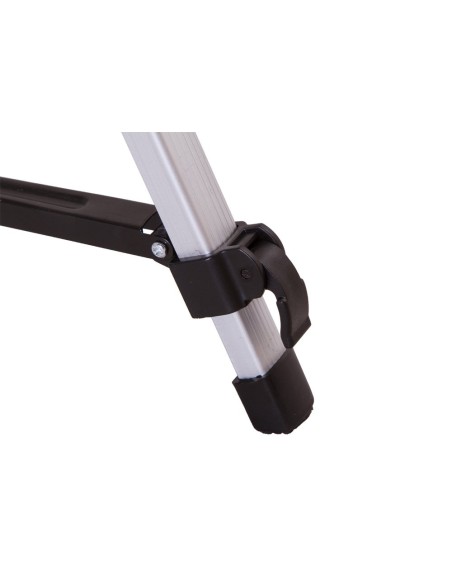
The kit includes a height-adjustable aluminium tripod. The tripod is stable and reliable and provides firm support for the optical tube.
Features:
- Telescope for children
- 40x magnification with no adjustments required
- Suitable for both astronomical and terrestrial observations
- All necessary accessories are included
- It’s the best choice for a first telescope
The kit includes:
- Telescope
- 20mm eyepiece
- 12.5 mm eyepiece
- 1.5x erecting eyepiece
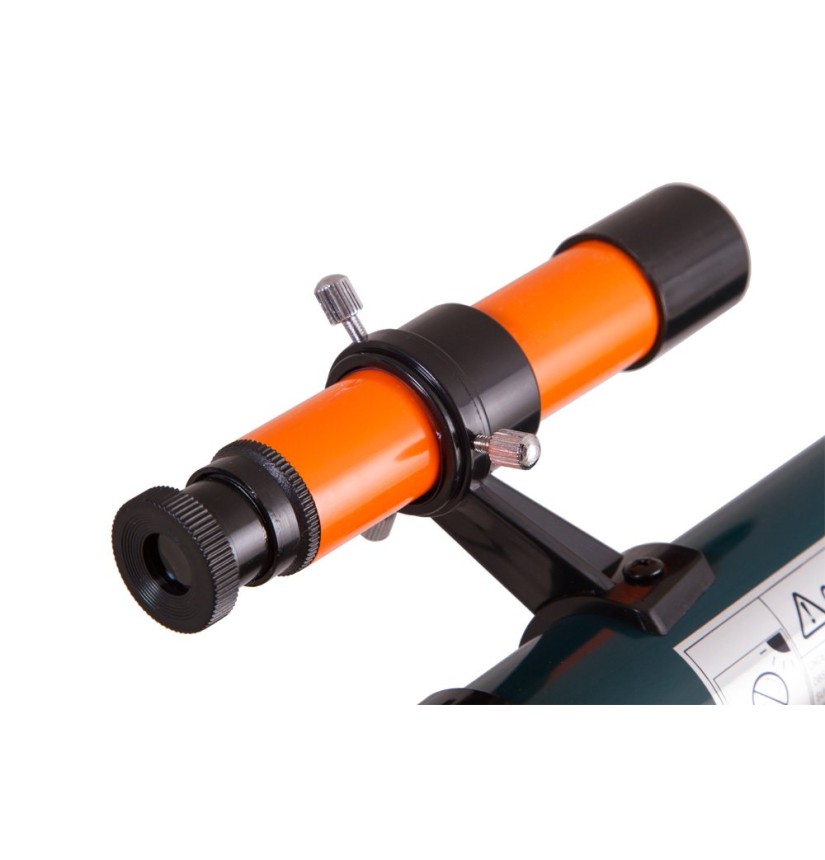
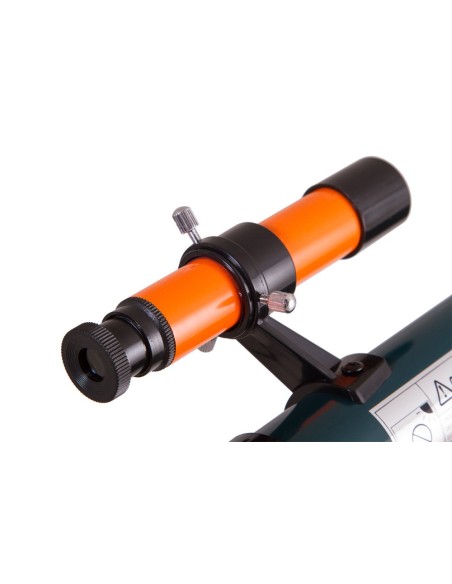
- 2x optical finder
- Mirror diagonal
- Aluminium tripod
| Brand | Levenhuk Inc., USA |
| Warranty, years | Lifetime |
| Package dimensions (LxWxH), cm | 73x22x8 |
| Shipping weight, | 1.4 |
| Optical design | refractor |
| Objective lens diameter (aperture), mm | 40.0 |
| Focal length, mm | 500 |
| Focal length, mm | 500 |
| Magnification, x | 25–40 |
| Focal ratio | f12/5 |
| Eyepieces included | 20 mm (50x), 12.5 mm (40x), 1.5 mm erecting eyepiece |
| Eyepiece barrel diameter, in | 0.96 |
| Optical | optical, 2x |
| Tripod | aluminium |
| Tripod height (adjustable), mm | adjustable, 650–1150 |
| Mount | altazimuth |
| User level | beginners, for children |
| Objects observed | planets of the Solar System, terrestrial objects |