










































































Your cart
There are no more items in your cart

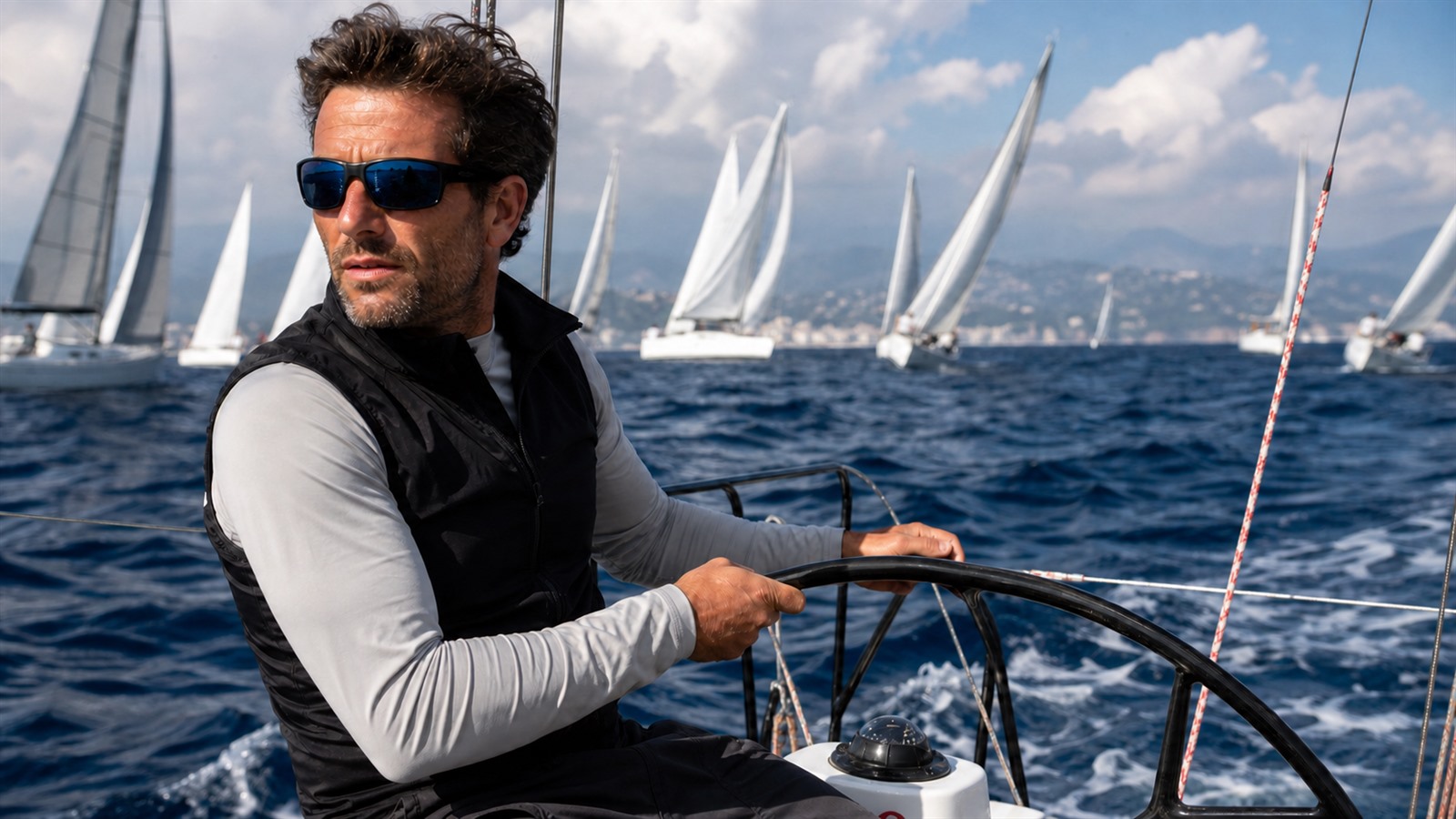
Source of the event: Yacht Club Italiano, official programme for Millevele IREN 2026, accessed on 27 August 2026. The cover image is an editorial image created for Isolani and does not depict specific people or moments from the event.
At the Millevele, the eye is drawn to the interplay of light, spray, sails and a constantly shifting surface.
From the shore, a sea of white sails in the Gulf of Genoa is, above all, a spectacular sight. On board, however, the sea presents a far more complex visual environment: light glints off the water, the wind stings the eyes, spray blurs the view, and the gaze shifts ceaselessly from the horizon to the sails, from other crews to the instruments.
The IREN 2026 Millevele, scheduled for Saturday 12 September, is a wonderful opportunity to highlight this unseen work. You don’t need to be a professional sailor to recognise it: anyone who has spent a few hours on a boat knows just how much visual comfort can change the way you experience the sea.
Millevele IREN 2026: date and route
The start is scheduled for Saturday 12 September 2026 at 11.00. The Italian Yacht Club has outlined three coastal routes from Genoa to Punta Chiappa, designed for boats of different categories and sizes. The programme and announcements may be subject to change: it is always best to check the official Millevele IREN website before setting off.
The reflection on the water is not just ‘a lot of light’
The sea does not reflect light uniformly. The angle of the sun, the ripples on the water, the direction of the boat and the viewer’s position all vary. The result can be a continuous succession of very bright spots that reduce contrast and make it more difficult to distinguish details, obstacles or variations on the surface.
A well-chosen polarised lens can reduce a significant portion of the reflected light and provide a clearer view of the water. This does not mean making the sea ‘glare-free’, nor is there such a thing as a universally perfect lens: colour, intensity, the shape of the glasses and their actual use must all be considered together. In our guide to polarised lenses, we explain in more detail how this technology works.
Before you set sail, try out your instruments too
Some LCD displays, chartplotters, smartphones and navigation instruments may appear darker or become harder to read with polarised lenses, particularly when you turn your head. This is a practical consideration: you should try on the sunglasses alongside the devices you’ll be using, rather than simply choosing them by looking in the mirror.
Sailing sunglasses must stay where they’re needed
On a boat, the frame doesn’t stay still on your face. You look upwards, bend over, change sides, and face wind and spray. An excellent lens in a pair of glasses that keeps slipping forces the wearer to constantly adjust its position: exactly what shouldn’t be happening when your hands are full.
Stability, support, curvature and side coverage matter just as much as aesthetics. Even a strap can be useful, but it won’t fix a poor fit. With the Isolani method, the frame is adjusted to the face and assessed in real-life postures; for dynamic activities, you can also check out our guide to sports glasses.
- Coverage: this helps manage side light, wind and light splashes without making the glasses unnecessarily heavy.
- Stability: the frame must follow your movements without slipping down your nose or feeling too tight.
- Materials: lightness and durability are important, but they must be balanced with precise adjustment.
- Coatings and colour: these should be chosen based on conditions and personal sensitivity, not merely as a fashion detail.
Four different ways of experiencing the sea
There is no single ‘best sailing sunglasses’ model that suits everyone. Some prioritise lens quality, others seek a more technical and stable frame, some want to wear the same sunglasses from the cockpit to an aperitif, and others prefer a more affordable polarised option. In the Isolani catalogue, these differences are clearly illustrated by four specific examples:

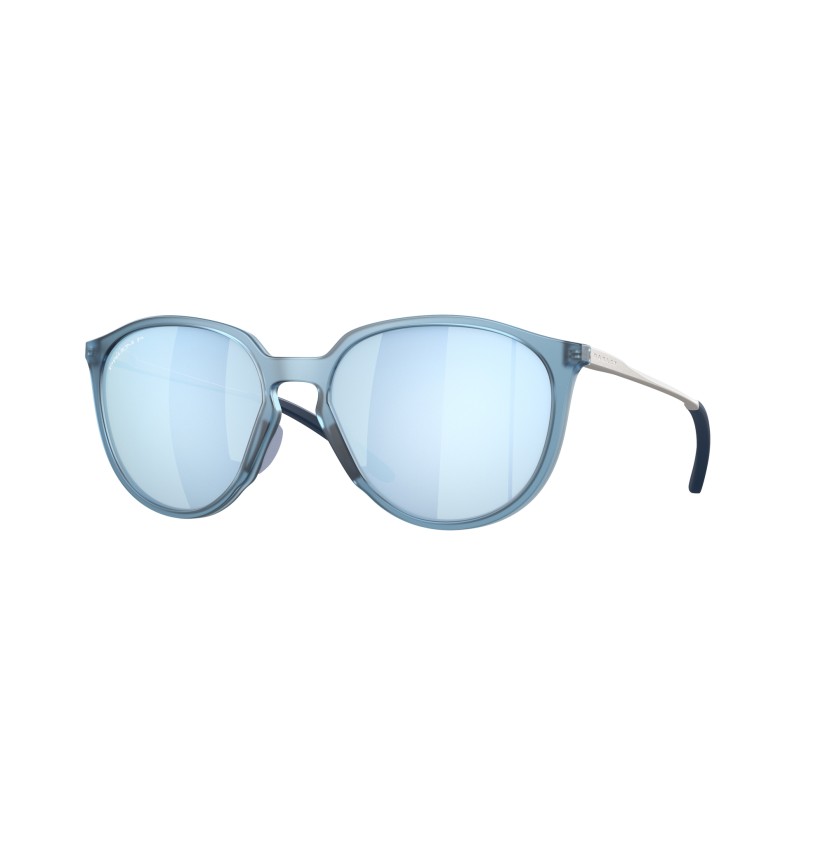
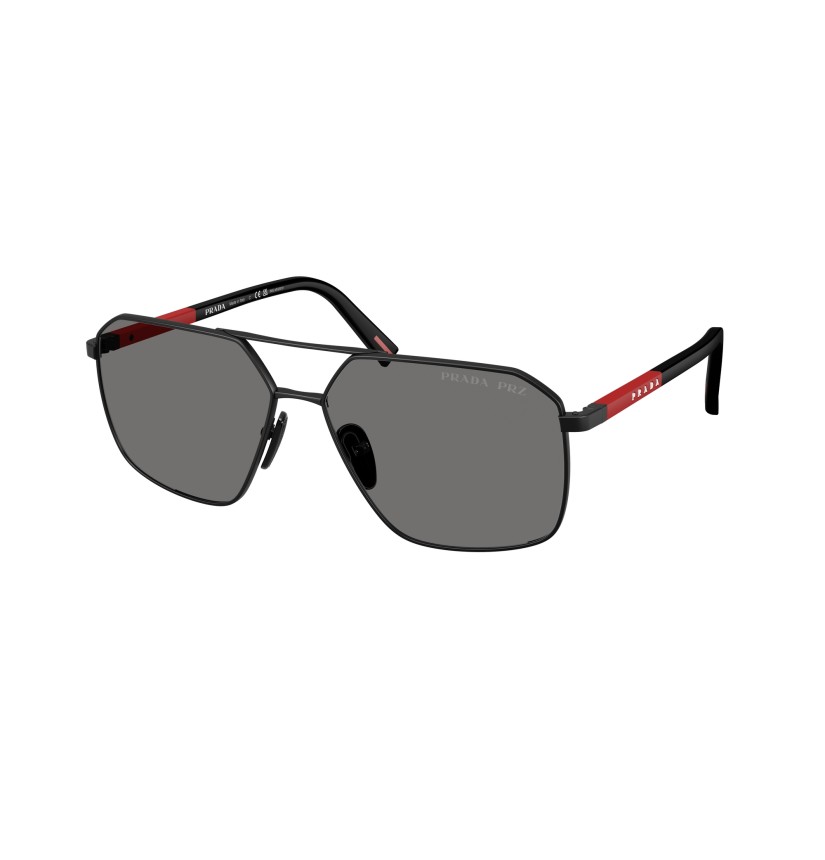
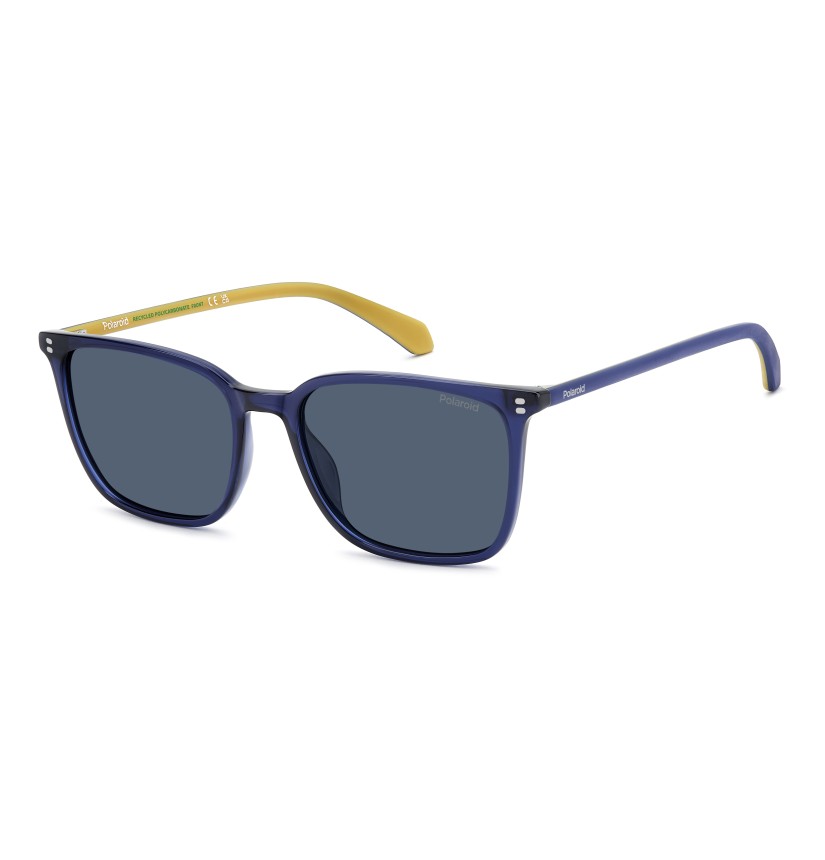
These models are not all the same and are not automatically suitable for sailing simply because they are polarised. The most important factors are fit, field of vision, compatibility with your prescription and the readability of instruments. Availability and variants may vary: for an up-to-date overview, compare the Maui Jim, Oakley, Prada Linea Rossa and Polaroid collections.
If you need prescription lenses: sports glasses or contact lenses?
Some sports glasses can also be fitted with prescription lenses. Whether this is feasible depends on the prescription, the curvature of the frame and the intended use: for this reason, it is not enough simply to choose a wraparound style and add the prescription at a later stage.
For many people, contact lenses offer a particularly unrestricted solution whilst on the move: they stay firmly in place and provide a wider field of vision than many prescription glasses. You can wear a non-prescription pair of sports glasses over them, which are useful for protection against the sun, glare and wind. However, fitting cannot be improvised, and the prescription details from your glasses should not simply be copied onto the contact lens packaging. The correct process begins with a professional assessment, as explained on the page dedicated to Advanced Contact Lens Practice.
Contact lenses and glasses are not mutually exclusive: alternating between them correctly allows you to choose the most suitable option for the moment, whilst always having a well-fitted pair of glasses to hand.
From sailing to the swimming pool: every aquatic environment has its own specific requirements
Gazing at the horizon from a boat, following the bottom of a swimming pool and reading instruments whilst diving are vastly different requirements. Water itself also plays a part in how light reaches the eyes: this is why trying on a prescription diving mask only out of the water can give a rather misleading impression.
Our guide to prescription swimming goggles and diving masks explores this very difference in depth, from basic needs in the swimming pool to bifocal or multifocal configurations for reading diving instruments correctly.
Before the Millevele: a real-life test
The right pair of sunglasses for the sea isn’t chosen based on a list of features. They must work on your face, with your prescription, in the wind, with your equipment and with your personal style of movement. At Isolani Optical Centres, we can check the fit of the glasses you already own or design a bespoke solution, without turning a day out on the boat into an impulse purchase.
To find your nearest centre, see where we are. And if your glasses simply need adjusting, we provide adjustments and support as part of the way we look after our customers even after delivery.
Frequently asked questions about glasses and sailing
A benefit for visitors to Isolani Optical Centres
If you are in Liguria, you can request an Isolani Voucher worth up to €100, for use exclusively at our Optical Centres under the stated conditions. For online purchases, the same page explains the 5% benefit reserved for those who subscribe to and confirm the newsletter.
Are polarised lenses always the best choice on a boat?
They can reduce a lot of glare from the water, but they need to be tested with the instruments and displays you’ll be using. The colour, tint and shape of the sunglasses must also be suited to the activity and the individual.
Are ordinary sunglasses sufficient for sailing?
They may be suitable for a leisurely outing, provided they offer protection, good optical quality and a secure fit. However, as movement, wind and the time spent at sea increase, side coverage, fit and how reflections are managed also become important.
Can sports sunglasses be fitted with prescription lenses?
In many cases, yes, but it depends on the prescription and the curvature of the frame. The design must be checked before purchase, as not all combinations are technically equivalent.
Can you wear contact lenses on a boat?
They can be very practical whilst on the move, provided they have been fitted professionally and the agreed conditions and duration of use are adhered to. It is still advisable to wear a pair of sports sunglasses over the top to protect against light, glare and wind.
When does the IREN Millevele 2026 take place?
The start is scheduled for Saturday 12 September 2026 at 11.00. The programme, routes and updates should be checked on the official website of the Italian Yacht Club.
The information on this page is provided for informational purposes only and relates to the field of optics and commerce. It does not contain any medical, clinical or diagnostic content.