










































































Your cart
There are no more items in your cart

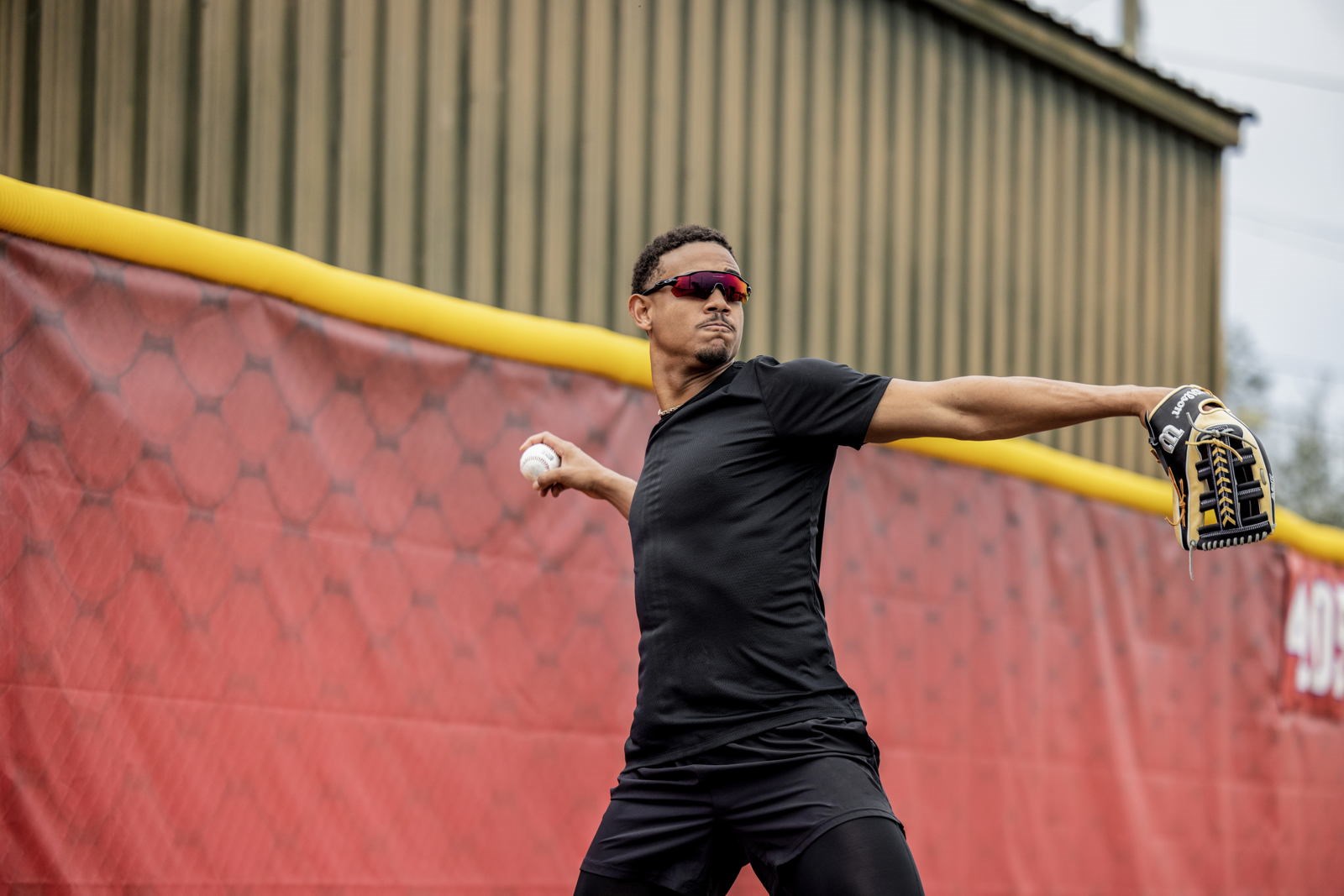
You don’t choose a pair of sports glasses just for their looks. They need to stay securely in place, protect against light, provide a good field of vision and have lenses suited to the activity: cycling, running, mountaineering, water sports, driving or simply everyday outdoor activities.
The choice varies considerably depending on whether the glasses are to be used solely as sunglasses, whether they need to be prescription, whether they will be worn in changing light conditions, or whether the main issue is glare and contrast.
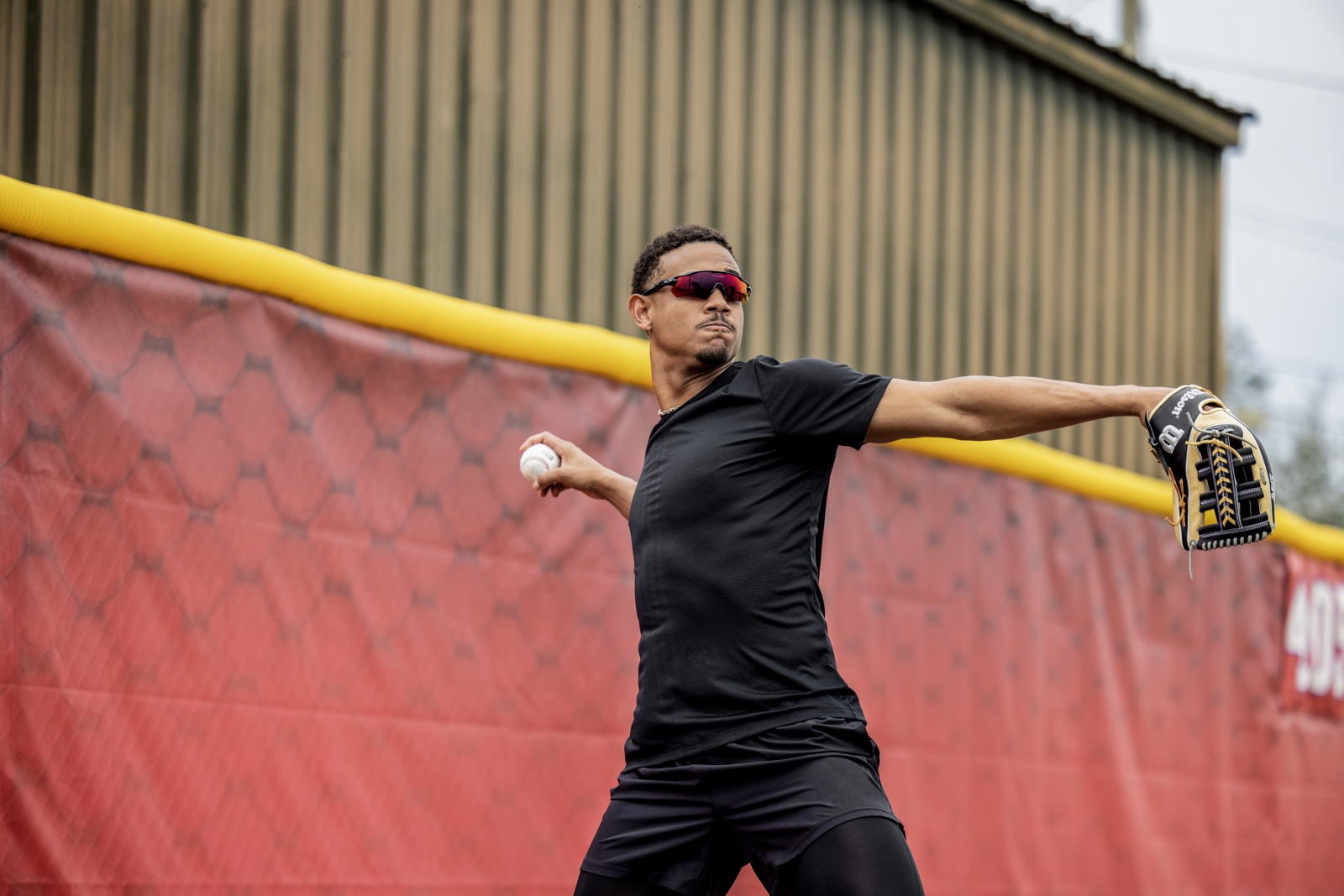
First question: where will you use it?
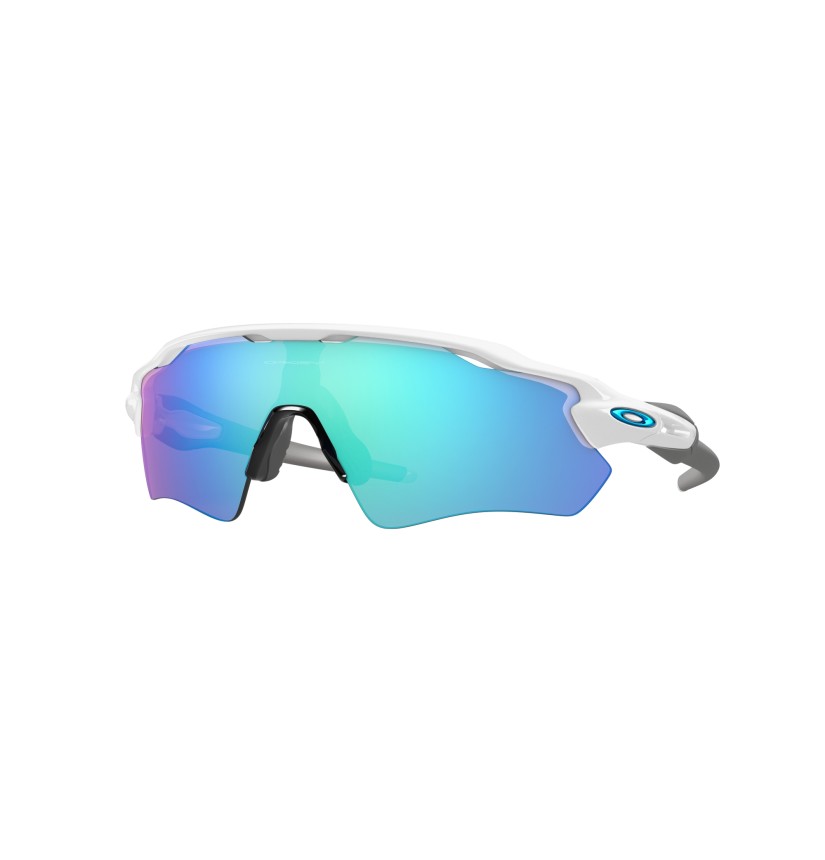
Cycling or running glasses have different requirements to those designed for the seaside, the mountains or driving. The ventilation, fit, weight, lens colour and the need for a more stable frame all differ.
Polarised, photochromic or standard lenses?
- Polarised - useful when reflections are the main problem, for example on water, tarmac or shiny surfaces.
- Photochromic - particularly useful when the light changes frequently, such as on routes that alternate between shade and sunshine.
- Classic sunglasses - suitable if you are looking for consistent and predictable results under similar lighting conditions.
- Graduate - to be considered when visual correction is required even whilst playing sport or driving.
Contact lenses and sports glasses: when to wear them together
When corrective lenses are required, some sports glasses can also be fitted with prescription lenses, subject to the frame, curvature and prescription. In many dynamic activities, contact lenses can offer greater freedom of movement and a wider field of vision, without the restrictions of a frame, but they must be selected and fitted on an individual basis.
When paired with non-prescription sports glasses, they can be a practical solution for outdoor sports: the glasses help to protect against sunlight, reduce annoying glare when using suitable lenses and, depending on their shape and the sport, shield against wind and other external elements. To assess comfort, stability and lens type, discover the guide to Isolani Advanced Contact Lens Practice.
Field of view and stability
For sport and outdoor activities, the frames must stay in place, not slip, not be too tight and not restrict your field of vision. Sometimes a more wraparound shape helps; at other times, a less technical but more comfortable solution is needed for prolonged use.
Eyesight and sport: standard glasses aren’t always enough
Those who wear prescription glasses can consider prescription options, clip-ons, prescription sunglasses or frames compatible with specific prescriptions. Not all sports-style frames are suitable for every prescription, so this should be checked on a model-by-model basis.
Brands and routes to consider
Oakley is a leading name in sport and performance; Maui Jim is the obvious choice when light and glare are key; Polaroid has a long-standing association with polarised lenses; and Ray-Ban can be a more everyday choice when the sport isn’t extreme.
Isolani Experience: choose by activity, not by label
Find out more about the method of the’Isolani Experience™, the process that combines listening, professional services and the personalisation of optical solutions.
At Isolani Opticians, the choice is based on actual use: sport, driving, the seaside, walking, sensitivity to light, any required prescription strength and aesthetic preference. The aim is to find a pair of glasses that will actually be worn, not just bought because they look ‘sporty’.
Useful links
- Oakley on Isolani
- Oakley Radar EV Path
- Maui Jim
- A Guide to Polarised Lenses
- A Guide to Photochromic Lenses
- Prescription sunglasses
- Prescription sunglasses
- Isolani Opticians
- Photochromic lenses and Transitions: when are they really worth it?
Frequently Asked Questions
Do sports glasses necessarily have to be wraparound?
No. A wraparound design can be helpful for many activities, but the choice depends on the sport, your face shape, the lenses and comfort. For everyday use, a less technical frame may be sufficient.
Which are better for sport – polarised or photochromic lenses?
It depends on the activity. Polarised lenses are very effective at reducing glare, whilst photochromic lenses are useful in changing light conditions. In some cases, you’ll need a standard pair of sunglasses or prescription sunglasses.
Can you get prescription sports glasses?
That’s often the case, but not with every frame or every prescription. You need to take into account the curvature, shape, lens type and intended use.
Is Oakley only suitable for competitive sport?
No. Many Oakley models are designed for performance, but they can also be suitable for outdoor activities, driving and everyday use, provided they fit properly.
The information on this page is provided for information purposes only and relates to the field of optics and commerce. It does not contain any medical, clinical or diagnostic content.