







































































Your cart
There are no more items in your cart

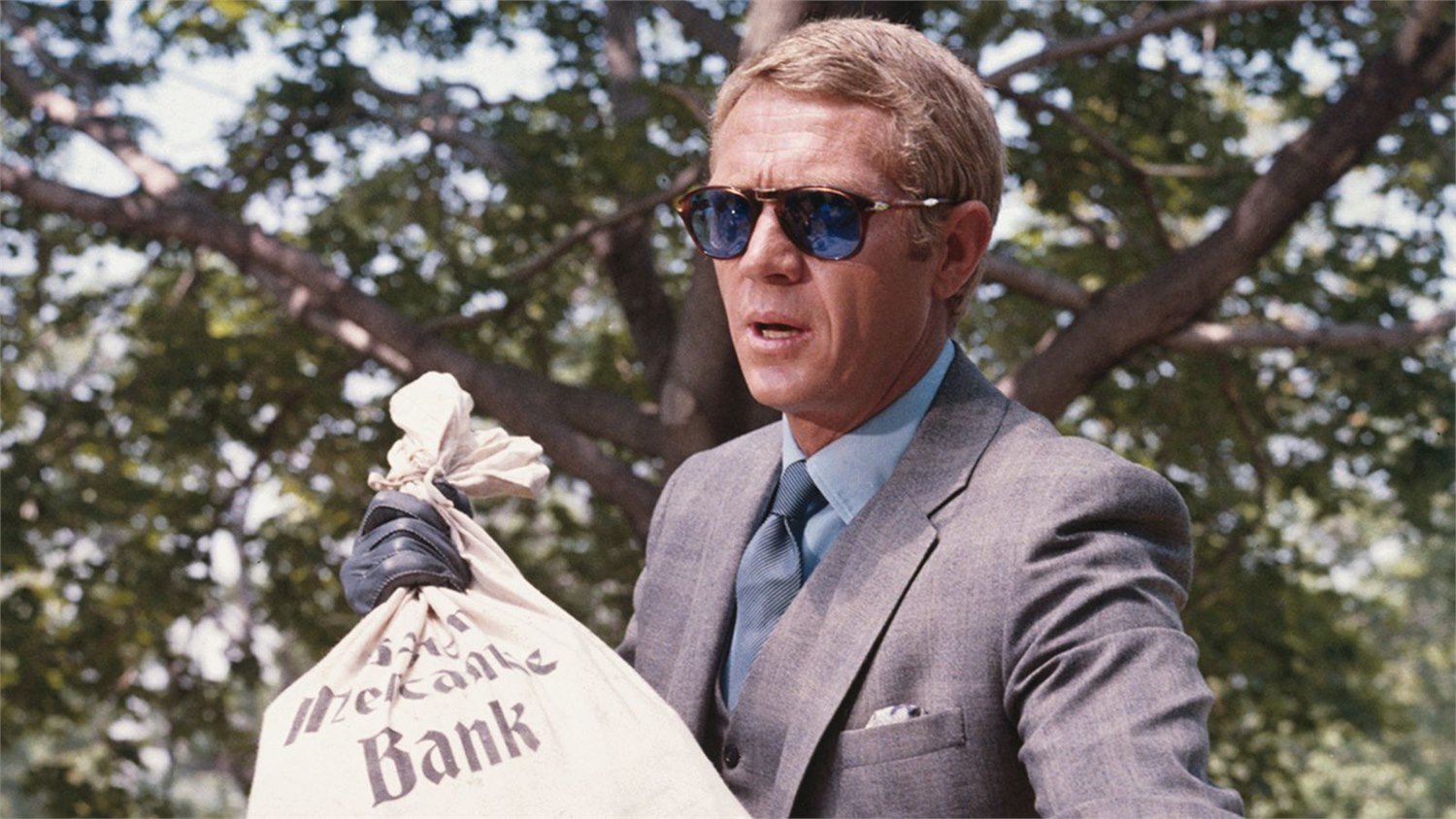
Few accessories transform a face quite like a pair of glasses. In cinema, sunglasses have often come to symbolise a whole range of meanings: mystery, elegance, character, aloofness, charm and identity.
At Isolani Boutique, this theme is approached with care: not as a costume, but as a stylistic choice. The aim is not to copy a character, but to find a pair of frames that bring that visual energy into everyday life: whether iconic, elegant or more editorial in style.
Persol: cinema as a record of style
Persol is one of the brands most closely associated with the world of cinema. The 714 folding model is historically associated with Steve McQueen and an idea of relaxed masculine elegance, whilst Persol’s signature style remains highly recognisable: acetate, the arrow motif, proportions and personality.
Tom Ford: contemporary elegance
Tom Ford speaks a more contemporary language: bold lines, metal, acetate, distinctive details and a red-carpet aesthetic. For those looking for elegant, sophisticated and highly photogenic sunglasses, this is a natural choice to consider.
Saint Laurent, Prada and Miu Miu: cinema as image
Saint Laurent, Prada and Miu Miu focus heavily on the relationship between fashion, the face and the visual imagery. There’s no need to link every model to a specific film: often, a well-chosen silhouette is enough to achieve a cinematic effect – be it more minimalist, darker, more feminine or more conceptual.
Glasses and cinema: when a pair of glasses takes centre stage
There are pairs of glasses that don’t simply appear in a film as mere accessories. They become part of the character, shaping their rhythm, their bearing, their memory. A blue lens, a black frame that’s almost too perfect, aviator-style glasses shielding the eyes from the sun: sometimes that’s all it takes to make the audience realise who we’re looking at.
The game, however, isn’t about dressing up like an actor. It’s about taking that energy and bringing it to life on your own face: a bit of *The Thomas Crown Affair*, a bit of *Top Gun*, a bit of the red carpet – but with just the right touch for real life.
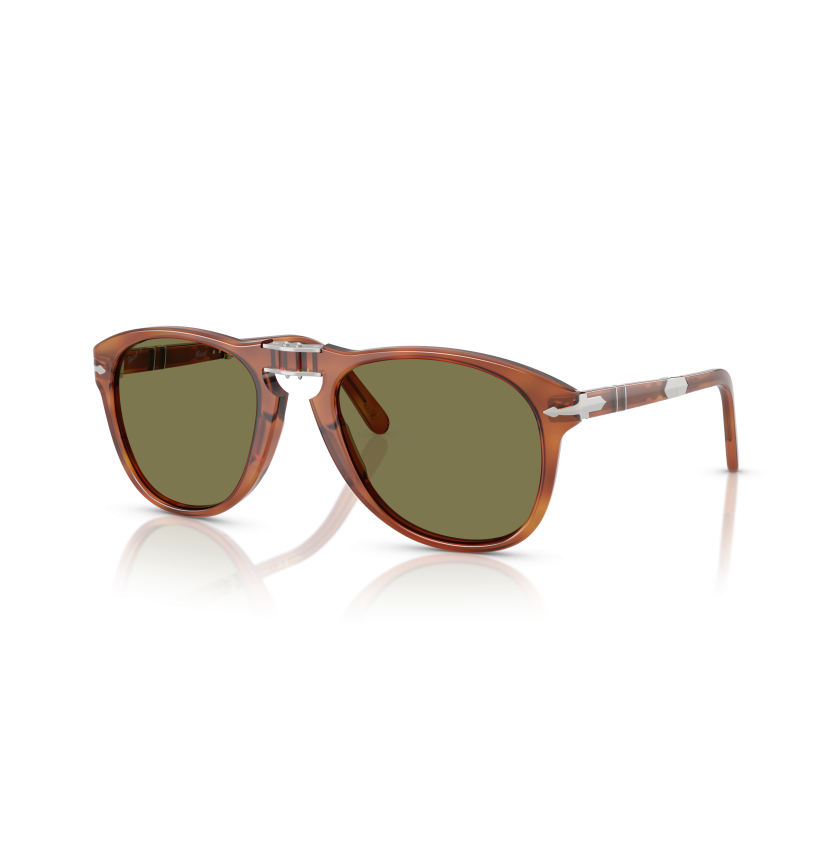 Persol Steve McQueen
*The Thomas Crown Affair*: sporty elegance and blue lenses.
Persol Steve McQueen
*The Thomas Crown Affair*: sporty elegance and blue lenses.
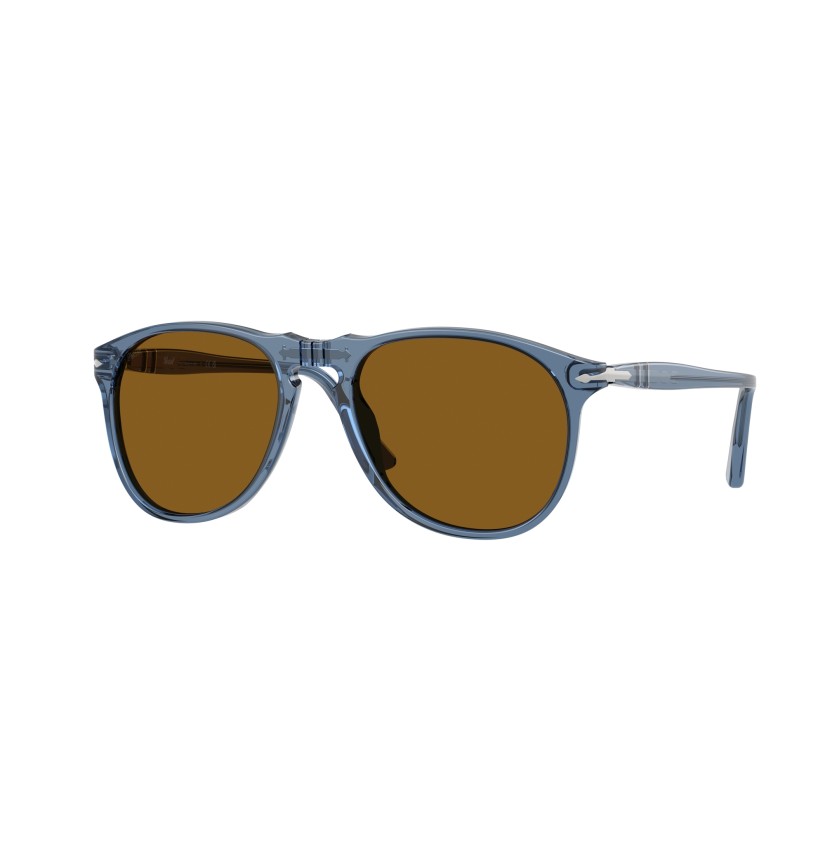 Persol PO9649S
The flavour of Italian cinema: face, presence, character.
Persol PO9649S
The flavour of Italian cinema: face, presence, character.
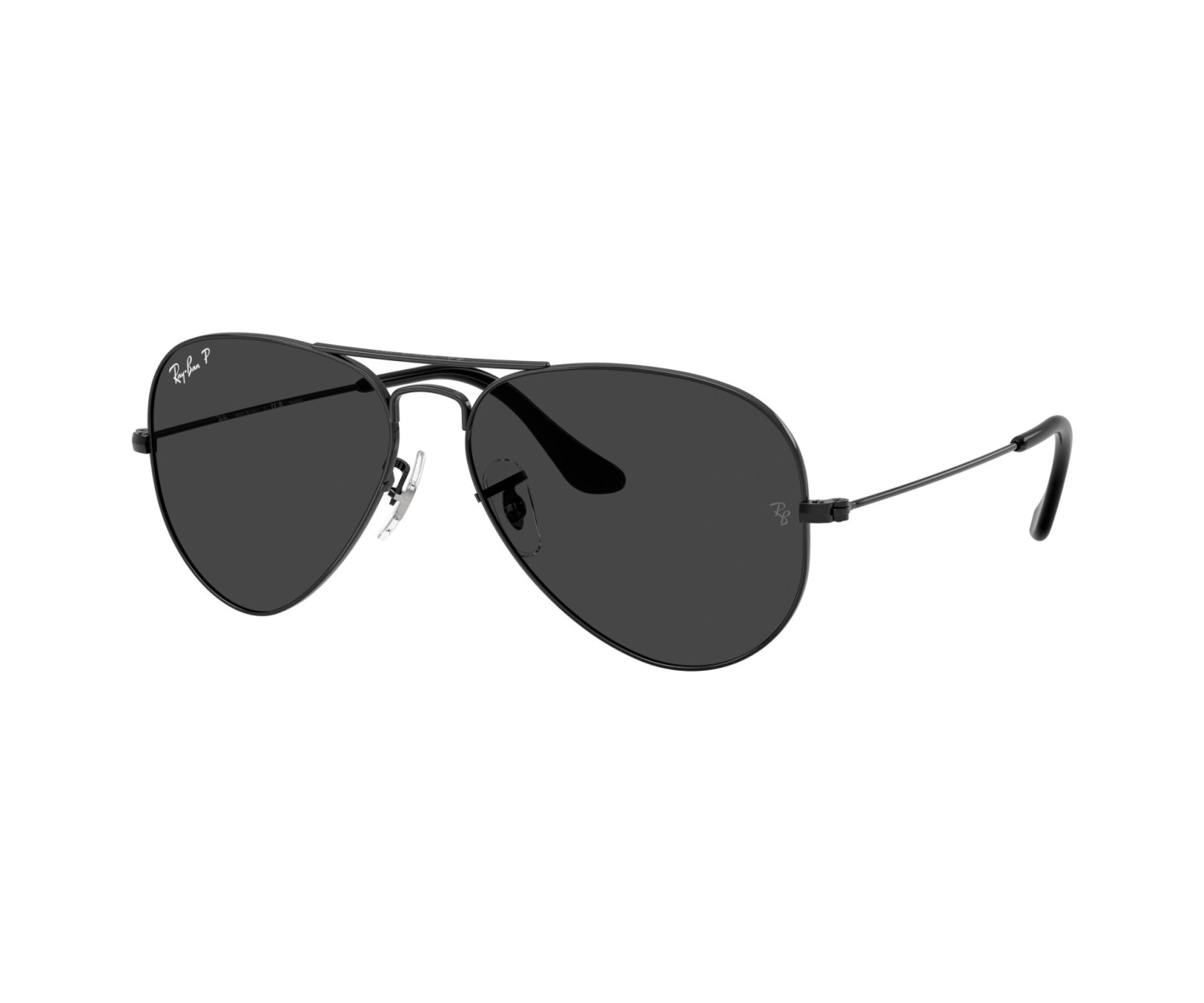 Ray-Ban Aviator
Top Gun: sunshine, altitude, summer, immediate safety.
Ray-Ban Aviator
Top Gun: sunshine, altitude, summer, immediate safety.
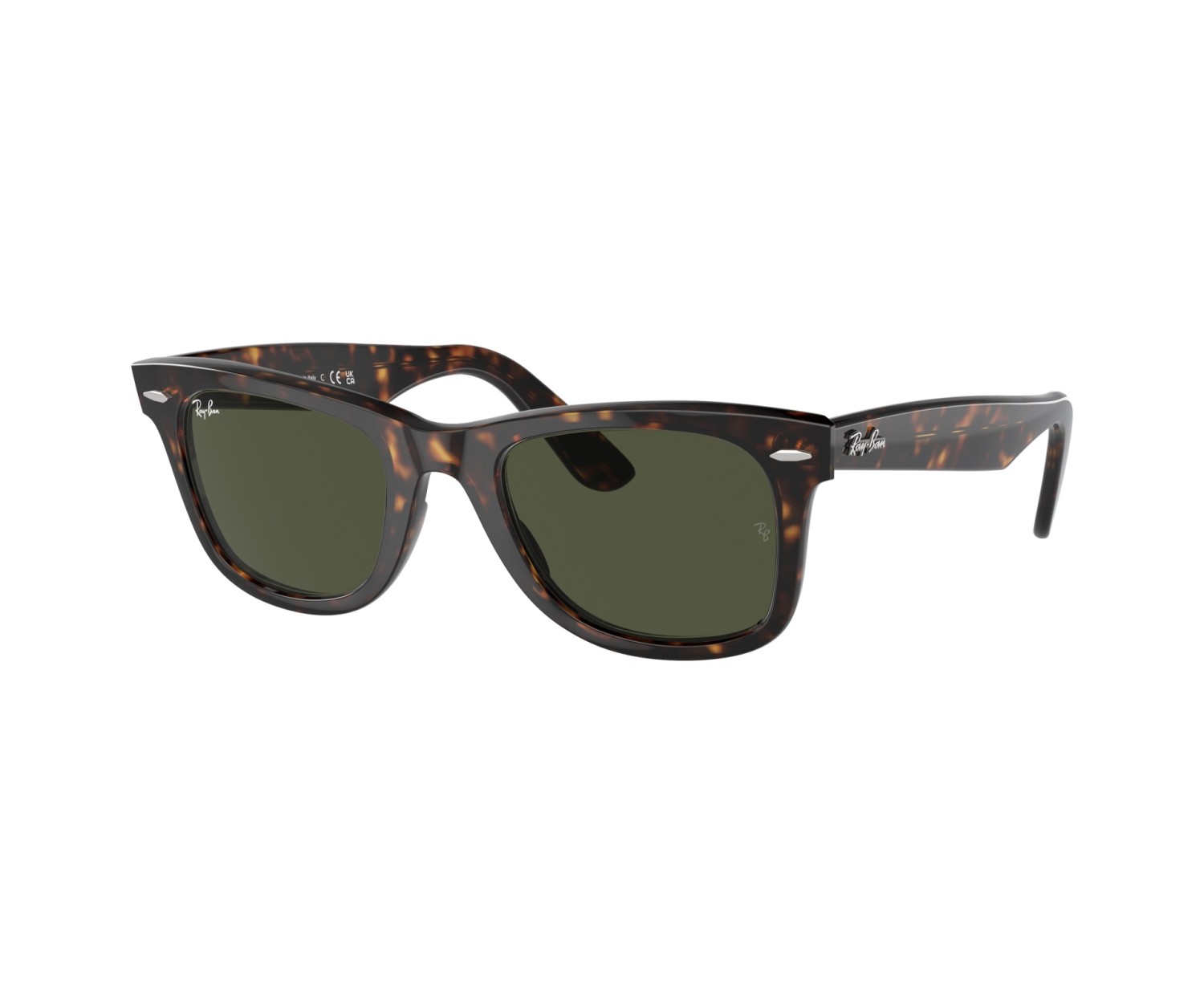 Ray-Ban Wayfarer
Risky Business: pop, graphic black, an everyday icon.
Ray-Ban Wayfarer
Risky Business: pop, graphic black, an everyday icon.
Alongside the most frequently cited models are images that create an atmosphere all of their own: Audrey Hepburn in Breakfast at Tiffany's for its elegant, graphic black, The Matrix for the narrow, futuristic lens, The Big Lebowski for a more laid-back and unconventional approach to the sun, Men in Black for its instantly recognisable all-black look.
For a more contemporary, red-carpet-style look, the James Bond aesthetic calls for clean lines, metal, dark lenses and a certain mature precision. Here, the natural progression is Tom Ford Boutique: not to copy Bond, but to strive for that same sense of control, elegance and presence.
Ultimately, that is what cinema is for: to point the way. Then comes the most important part – the work in front of the mirror, where the glasses cease to be part of a scene and begin to belong to the person wearing them.
- Proportions - The frames should flatter the face, not hide it.
- Lens colour - Grey, brown, green or shades of these colours can greatly alter one’s perception.
- Material - Thick acetate, thin metal or a combination of the two convey different styles.
- Actual use - A mental red carpet, yes, but the glasses have to work on the actual day too.
- Brand - A name matters, but it has to match the person’s face, wardrobe and personality.
Isolani Experience: from a reference to a real face
Find out more about the method of the’Isolani Experience™, the process that combines consultation, professional services and the personalisation of optical solutions.
In the boutique, a reference to a film can be a starting point. Then comes the most important part: trying them on, comparing shapes, and seeing whether the frames look good in motion, with your natural posture and in your everyday style.
Useful links
- Persol Boutique
- Tom Ford Boutique
- Saint Laurent Boutique
- Prada Boutique
- Miu Miu Boutique
- Boutique Style Tips
- Size Guide
Frequently Asked Questions
Which glasses are most closely associated with the cinema?
Persol is one of the brands most closely associated with the world of cinema. Tom Ford, Saint Laurent, Prada and Miu Miu can also convey a very dramatic and photogenic style.
Is it worth choosing a model you’ve seen in a film?
It can be a source of inspiration, but it shouldn’t be the only factor. What matters more is how the frames look on your face.
Do cinema glasses have to be big?
No. Some looks are based on statement frames, others on slim, precise shapes. The balance with the face is crucial.
Is a boutique or a high-street shop better for this style?
For a luxury, red-carpet or fashion-forward look, the Boutique is the most natural choice. For pop icons such as Ray-Ban, the main shop might also be a good option.
The information on this page is provided for information purposes only and relates to the field of optics and commerce. It does not contain any medical, clinical or diagnostic content.