









































































Your cart
There are no more items in your cart

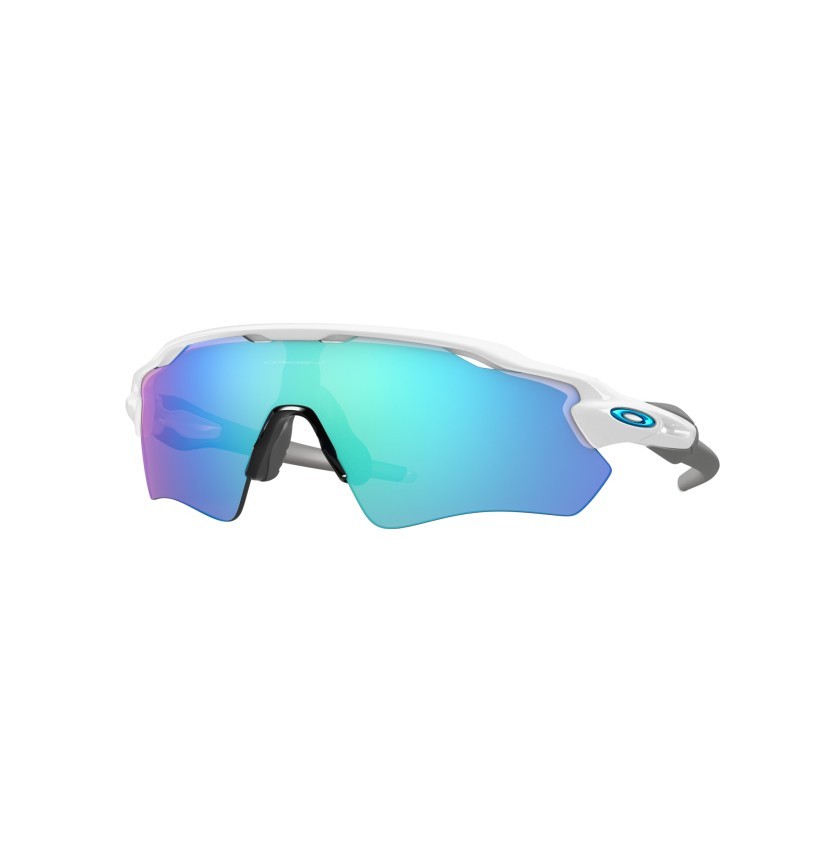
Tennis and padel place particular demands on eyewear: rapid changes of direction, fast-moving balls, side light, glare from the court and long hours spent outdoors. It’s not enough to simply choose any sports model: you need a pair of glasses that are stable, comfortable and suited to the lighting conditions in which you play.
In summer – and even more so during outdoor tournaments – the right question isn’t just ‘Do I like it?’, but ‘Does it help me feel comfortable on court without distracting me?’.
Light, ball and court: why the lens matters
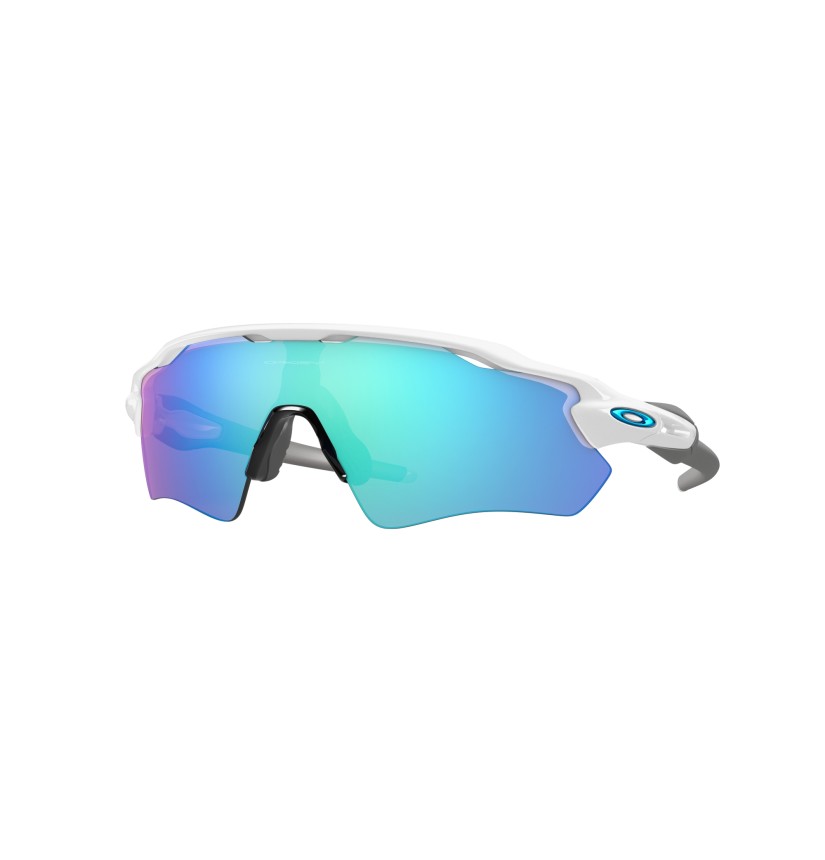
On open fields or on very bright days, the lens should minimise glare and reflections without making the view too dark. On fields with shadows, trees or partial cover, however, a lens that maintains good contrast and does not cause eye strain during changes in light may be useful.
Polarised, photochromic or classic sports sunglasses?
- Polarised lenses - These can be interesting when reflections and light-coloured surfaces are distracting, but they should be assessed on a case-by-case basis and according to personal perception.
- Photochromic lenses - useful when playing in a mix of sun and shade or at different times of the day.
- Classic sports lenses - often a good choice when you want a predictable and consistent result.
- Prescription lenses - something to bear in mind if you wear corrective lenses in everyday life and want visual continuity on the course.
The frame should disappear whilst you’re playing
A good pair of tennis or padel glasses doesn’t slip down your nose, doesn’t pinch at the temples, doesn’t bounce around when you change direction, and doesn’t intrude too much into your field of vision. The nose pads, arms, weight and shape are just as important as the lenses.
Padel: watch out for glass, lights and indoor courts
In padel, glass, walls, artificial lighting and side glare all come into play. This is why the best choice can vary considerably between outdoor courts, indoor courts and evening matches. The darkest lens is not always the most effective.
Isolani Experience: try it out based on the actual game
Find out more about the method of the’Isolani Experience™, the process that combines listening, professional services and the personalisation of optical solutions.
At Isolani Opticians, your choice starts with the way you play: playing times, pitch, intensity, light sensitivity, any prescription requirements and aesthetic preferences. The aim is to avoid buying a pair of glasses that are merely ‘sports-oriented’ on paper, and to find a pair that remains comfortable whilst you’re on the move.
Useful links
- Oakley sports glasses
- Oakley on Isolani
- Maui Jim
- A Guide to Polarised Lenses
- A Guide to Photochromic Lenses
- Prescription sunglasses
- Isolani Opticians
Frequently Asked Questions
Do you need special sports glasses for tennis and padel?
You don’t always need a highly technical model, but you do need stability, a good field of view and a lens suited to the light conditions on the course.
Are polarised lenses suitable for playing sport?
They can be helpful when reflections are a nuisance, but you’ll need to test how well they work depending on the scene, the lighting and your personal sensitivity.
Are photochromic lenses better for matches at different times of day?
They can be a good solution when you’re frequently moving between sunny and shaded areas, or when you’re playing at different times of the day.
Can you have prescription glasses made for tennis and padel?
That’s often the case, but you need to check the frame, curvature, prescription and intended use. Not all sports models are compatible with every lens.
The information on this page is provided for information purposes only and relates to the field of optics and commerce. It does not contain any medical, clinical or diagnostic content.