









































































Your cart
There are no more items in your cart

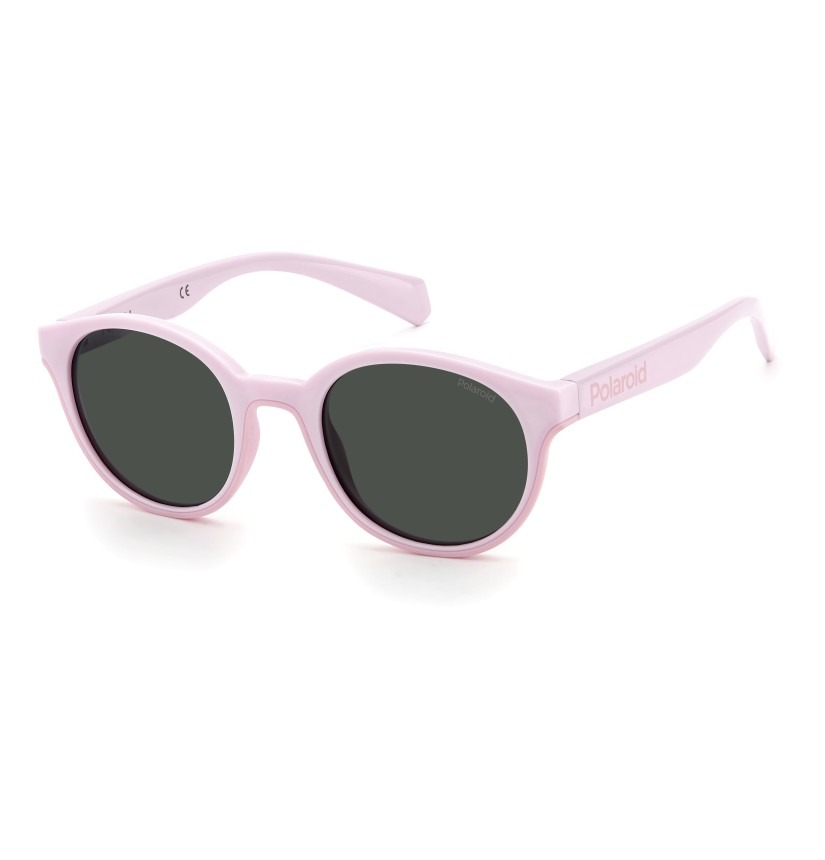
Children’s sunglasses should be chosen with practicality in mind rather than fashion: they must stay in place, be lightweight, fit properly and be suitable for a wide variety of activities, from days at the beach and in the city to light sport and going back to school.
Polaroid Kids It’s an interesting choice precisely for this reason: simple design, colours that are easy to wear, and the focus on polarised lenses, which come in handy when glare becomes a nuisance in many everyday situations.
Polaroid Kids: when sunglasses are actually used
For children, sunglasses shouldn’t just look nice. They need to stay in place, be lightweight, not cause any discomfort, and provide protection on days when they spend a lot of time outdoors: holidays, trips to the park, journeys, sports, and the walk home from school when it’s still very light.
Colour helps you choose them, but the fit determines whether they’ll actually be worn. A bridge that’s too wide slips down, heavy frames get taken off, and lenses that don’t cover the eyes properly let in too much light from the sides. That’s why you should try them on the child, not just judge them by a photo.
Small details, big difference
The fit on the nose, the temples, the weight, the coverage and stability matter more than you might think. When glasses are comfortable, children accept them more readily: and that’s where the choice really makes a difference.
Polaroid Kids and polarised lenses
Polarised lenses can make vision more comfortable in the presence of glare from water, tarmac, light-coloured surfaces and windscreens. This is not a medical claim and is not a substitute for an eye test: it is a practical consideration to bear in mind when the glasses will be used predominantly outdoors.
A model to build on
Among the products reviewed on Isolani, you could start with Polaroid Kids PLD 8040/S, a useful example for considering frame size, shape, lens colour and how the glasses look on the face. The final choice should always be based on the child themselves, not just on the photo.
Isolani Experience
Find out more about the method of the’Isolani Experience™, the process that combines listening, professional services and the personalisation of optical solutions.
The in-store fitting is simple but crucial: you check how the frames sit, whether they stay in place when the child moves, and whether the lenses provide good coverage without restricting the field of vision too much.
Useful links
Frequently Asked Questions
When is it a good idea to choose a pair of sunglasses for children?
It makes sense when the child spends a lot of time outdoors and the glasses are chosen to ensure the correct fit, comfort and stability.
Is Polaroid Kids only suitable for summer?
No. Summer is the most obvious time, but a practical pair of glasses can also come in handy at school, during light exercise and on everyday journeys.
Are polarised lenses always necessary?
Not always. It can be useful if the main problem is frequent glare, for example at the seaside, on light-coloured surfaces or when travelling by car.
Is it better to buy online or try things out in-store?
You can start getting an idea of what’s available online, but trying them on in-store is still very useful for checking the fit, weight and stability.
The information on this page is provided for information purposes only and relates to the field of optics and commerce. It does not contain any medical, clinical or diagnostic content.